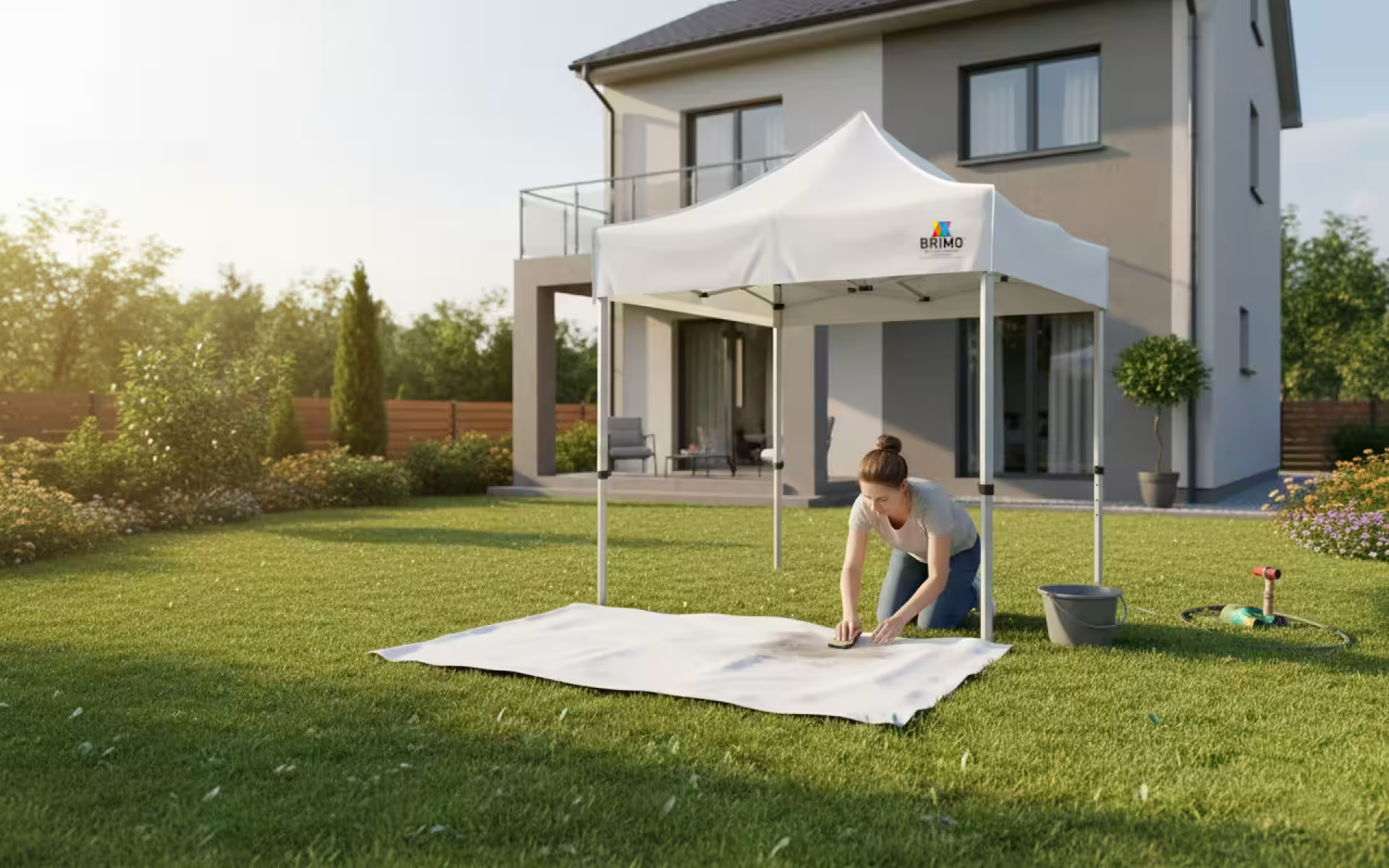
Why Regular Maintenance of Your Folding Tent is Important
Your folding tent is not just a simple shelter, but a piece of technical equipment with a precise scissor construction. During the season, it must withstand not only dust, mud, and grass but also aggressive UV radiation, pollen, and acid rain.
Regular maintenance is not just a matter of aesthetics and professional appearance. It is the only way to prevent the degradation of the canvas water column, jamming of mechanisms, and significantly extend the life of the entire tent. In this article, we look at how to care for your tent like a professional.
The Canvas: More Than Just Fabric
Most high-quality tents (e.g., the BRIMO brand) use Polyester Oxford with an inner PVC or PU layer. This layer ensures 100% waterproofing but requires gentle handling.
Critical Cleaning Mistakes:
- Microparticles as sandpaper: Dried dust eventually "eats" into the fabric structure. When folded and rubbed, it acts like sandpaper, irreversibly damaging the waterproofing.
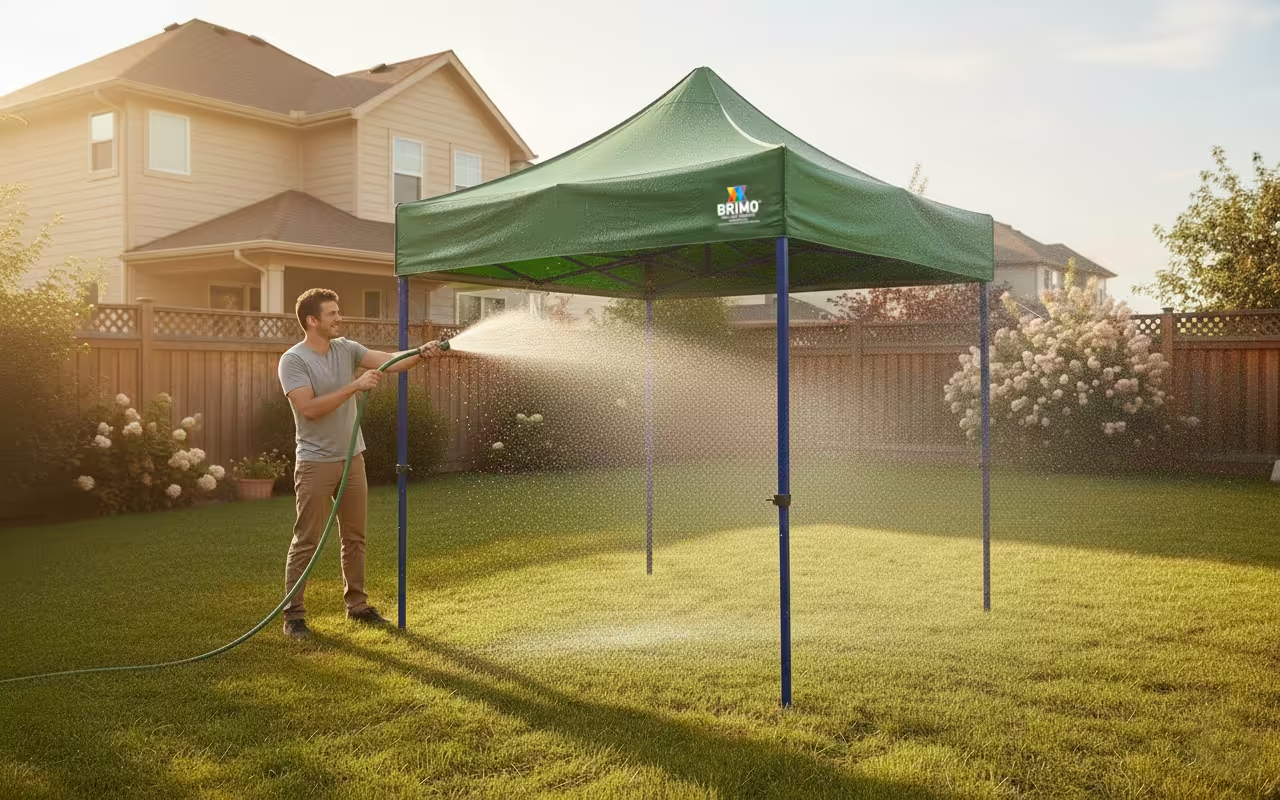
- BEWARE of Pressure Washers (Jet Wash): Never use high pressure! Water pressure above 100 bar can mechanically separate the protective PVC layer from the base fabric. The result is a permanently leaking tent.
The Right Approach to Cleaning and Storage
Most dirt occurs during normal use at promotional events. This is mainly surface contamination that can be removed easily – without aggressive chemicals, chlorine, or solvents.
Cleaning folding tents does not have to be difficult. The key is to distinguish between a quick rinse after an event and deep cleaning after the season.
A Dry Tent is the Foundation of Long Life
The tent must always be completely dry before being stored in the transport bag. Even a small amount of residual moisture in a closed bag leads to mould and unpleasant odours, which are very difficult to remove from the PVC layer.
Step-by-Step Guide: How to Clean a Party Tent
Before you start, prepare suitable tools. You don't need expensive chemicals. Simple and gentle solutions work best for the routine maintenance of party tents.
What you will need:
- A large soft sponge (not a scourer or the rough side of a dish sponge!).
- Lukewarm water (max. 30 – 40 °C). Hot water can damage the seam tape.
- Mild detergent or a soap solution with a neutral pH.
- A ladder or steps to reach the roof of the erected tent.
1. Preparation and Rinsing
Partially or fully erect the tent. If you have a 3x3 m tent or larger, we recommend extending the frame to the lowest position so you can comfortably reach the roof. First, rinse the entire canvas with clean water (using a low-pressure hose) to wash away coarse dust, sand, and leaves. This prevents scratching the surface during subsequent sponge cleaning.
2. The Cleaning Itself (Mechanical Washing)
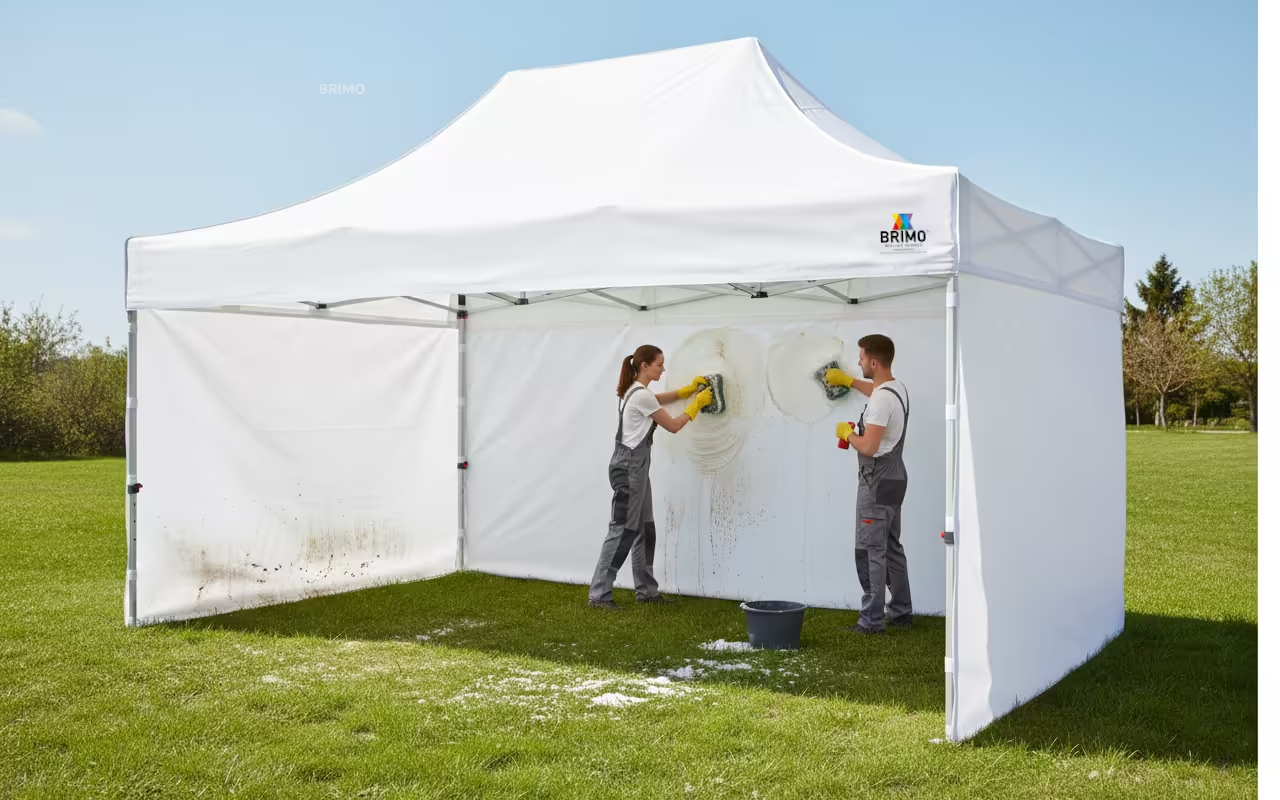
Dip the sponge into the lukewarm soapy water and gently clean dirty areas using circular motions. Proceed systematically – from the roof downwards to the side walls. Tip for stubborn stains: If you encounter bird droppings or tree sap, let the spot soak for a while. Do not try to scrape it off by force when dry, as you could tear the protective layer of the fabric.
3. Thorough Rinsing and Drying
This is the most important step. All detergent must be thoroughly washed out of the fabric. Soap residues can react in the sun, creating stains or attracting new dirt. After rinsing, let the tent dry completely in a well-ventilated place (but not in direct midday sun if possible, to avoid unnecessary fading of colours).
Don't Forget the "Bones": Scissor Frame Maintenance
Many owners only clean the covers, but the heart of the tent is its frame. Whether you have a steel or pro aluminium structure, it also requires attention at least once a season.
- Cleaning Joints: Dust and sand accumulate in the moving parts (joints), causing difficult unfolding and squeaking. Blow out dirt with compressed air or wash it out with water and let it dry.
- Lubrication: After cleaning, apply a small amount of silicone spray to the joints (do not use oil, which binds dust!). The tent will unfold as smoothly as new.
- Checking Screws: Vibrations during transport and wind can loosen screw connections. Take a screwdriver and gently tighten all visible connections. This prevents screws from falling out and the tent collapsing during an event.
What to Do if Mould Appears?
If the tent was stored damp, black spots – mould – may appear. In this case, soapy water is not enough. Use a solution of vinegar and water (1:3 ratio). Vinegar kills mould spores and is gentler on the impregnation than chlorine. Gently clean the affected area, let it sit for 15 minutes, and rinse thoroughly.
Remember: Prevention through dry storage is always easier than fighting mould.
Conclusion: A Clean Tent is Your Business Card
Your folding tent is often the first thing a customer sees at an event. A clean roof and vibrant colours subconsciously signal the professionalism and trustworthiness of your company. Investing a few dozen minutes in maintenance after the season will pay off in the long service life of a tent that will continue to look like new.
Remember that even the highest quality material is not indestructible if you don't take care of it. Regular drying and gentle cleaning are the keys to success.
What if cleaning is no longer enough?
Is your roof canvas already irreversibly damaged, torn, or have the colours faded after years? You don't have to buy a whole new tent. At BRIMO, we keep spare parts in stock for all our models.
Do you have questions about maintenance or need advice on choosing a spare part? Contact our customer support, we will be happy to help.
Written by:
Denis Richter
About the article author
Ing. Denis Richter – expert in mobile shelter structures and the development of pop up gazebos, specializing in their application in crisis and high-load situations. He developed his design knowledge during his studies in Luxembourg.
He has over 15 years of experience in the design and development of mobile structures. As a design expert, he collaborates with leading European manufacturers to improve aesthetic, safety, and assembly standards.
In his articles, he focuses on the effective use of pop up gazebos in extreme conditions, their maintenance, and versatile applications in markets, industry, or the municipal sector.