Secure anchoring: Weights for pop-up and party tents
We offer 4 types of weights for the pop-up tents sold in sets.


How to Properly Anchor a Pop-Up Tent? Complete Guide to Weights, Stakes, and DIY Solutions
Find out how to securely anchor your pop-up tent. A detailed guide to professional weights, anchors, and clever DIY tricks for various surfaces (grass, concrete, asphalt).
The stability and safety of your gazebo or party tent is not a luxury, but a necessity.
Whether you are organizing a corporate event, markets, or a family celebration, strong winds can easily turn your tent into a flying object. Proper anchoring protects not only the tent itself but also the people and property nearby.
We bring you an overview of the offered and relevant methods to securely anchor your tent – from professional solutions to clever DIY tricks.
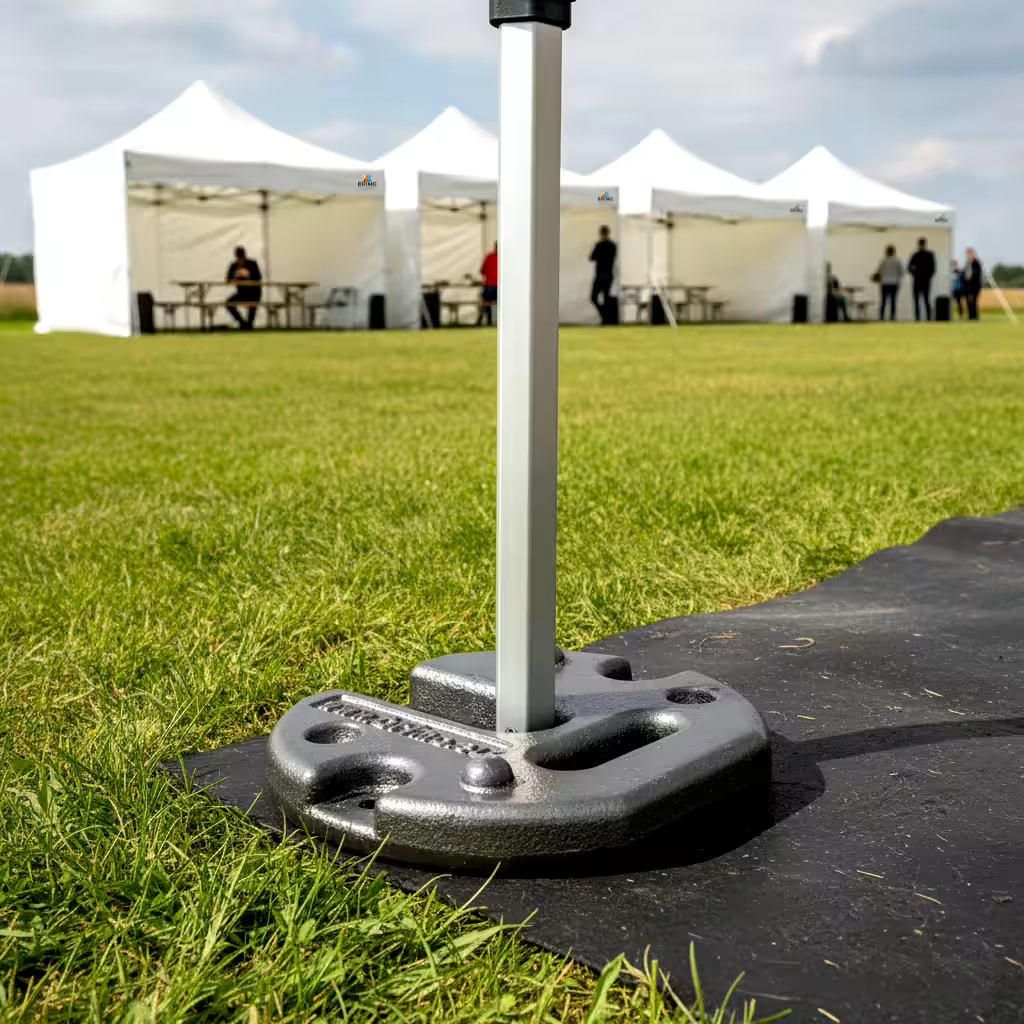
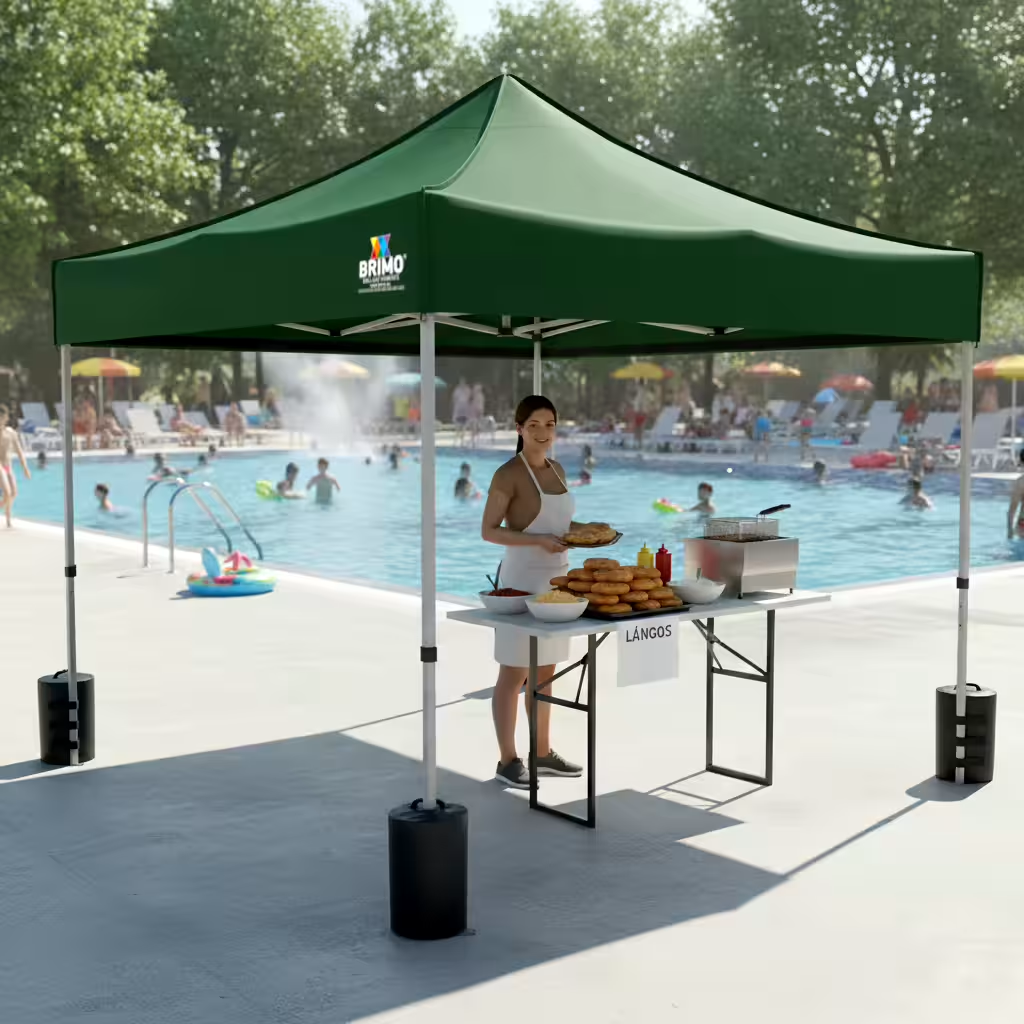
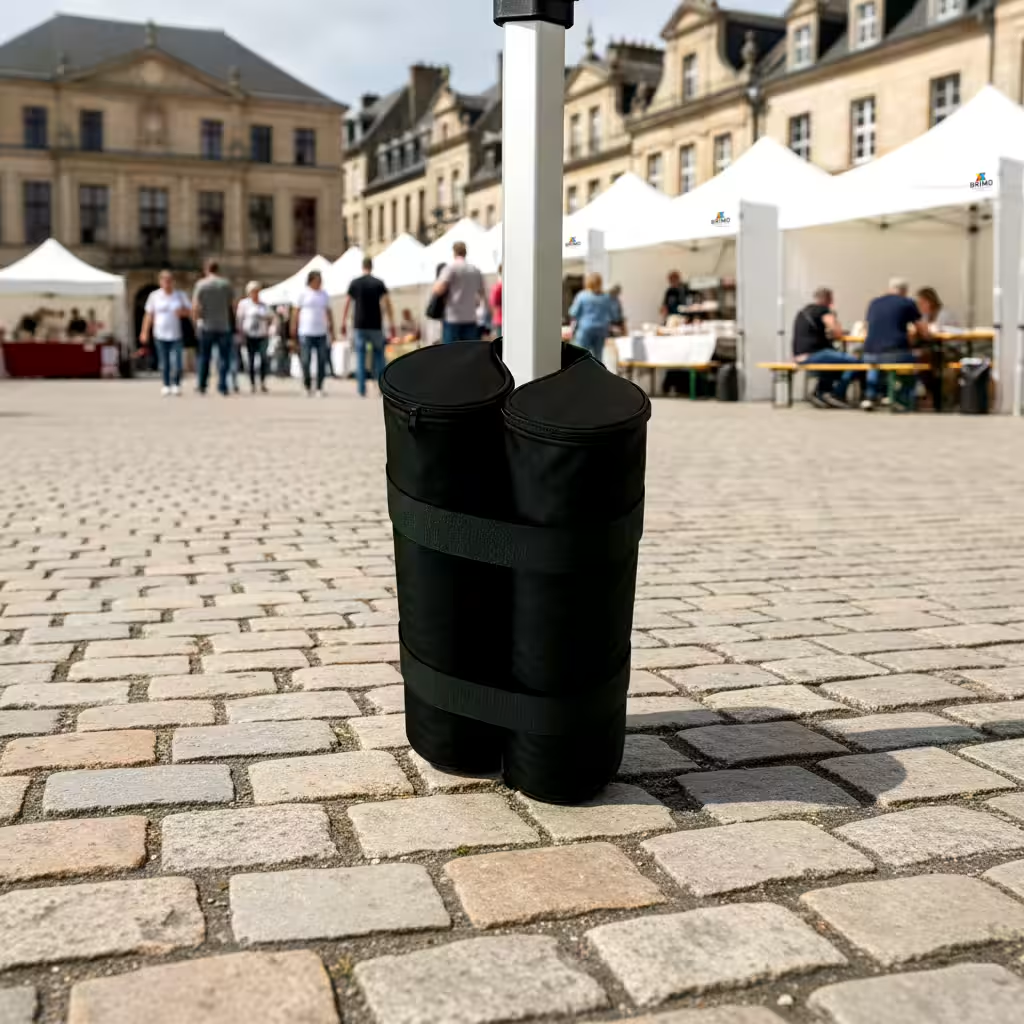
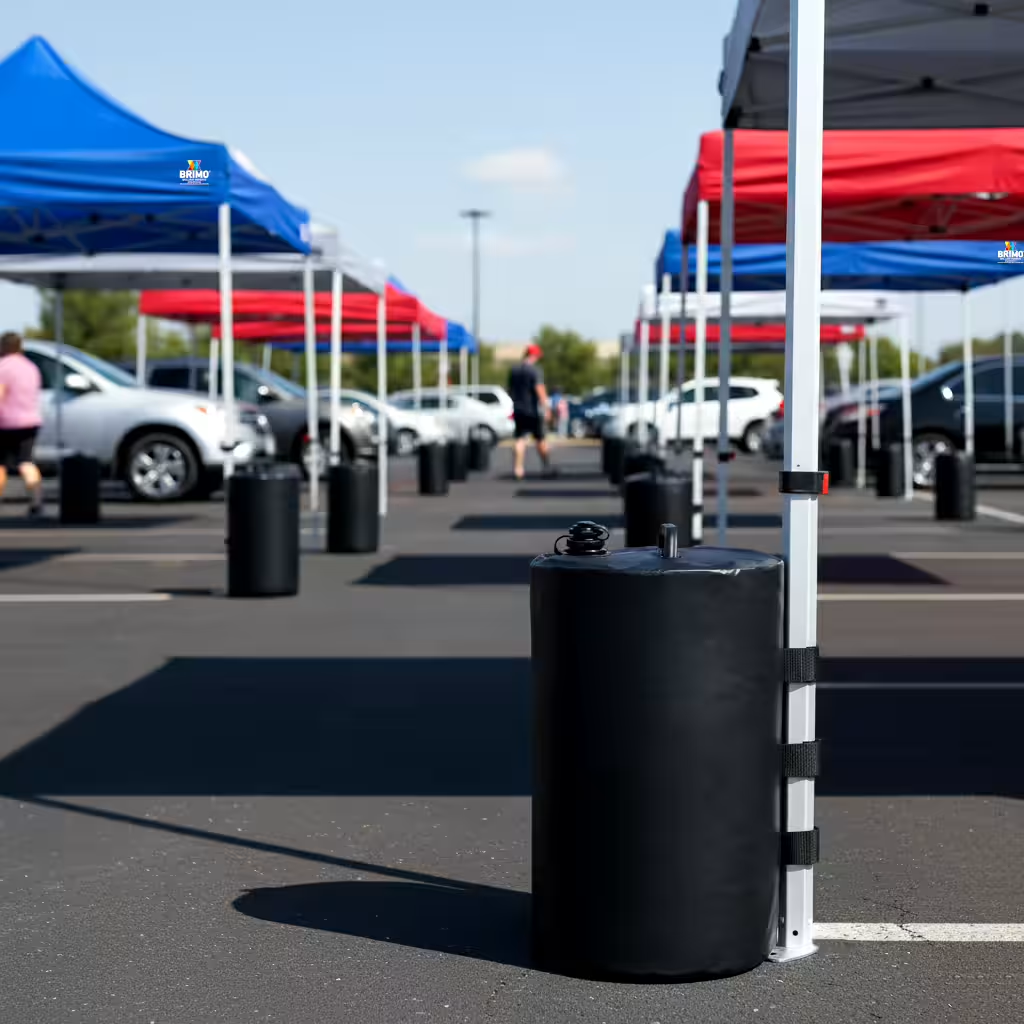
1. Professional steel weights, for water or sand for maximum stability
If you cannot use stakes or need maximum stability on solid surfaces (asphalt, concrete, paving), professional weights are the best choice. These solutions also work great on grassy surfaces as additional protection.
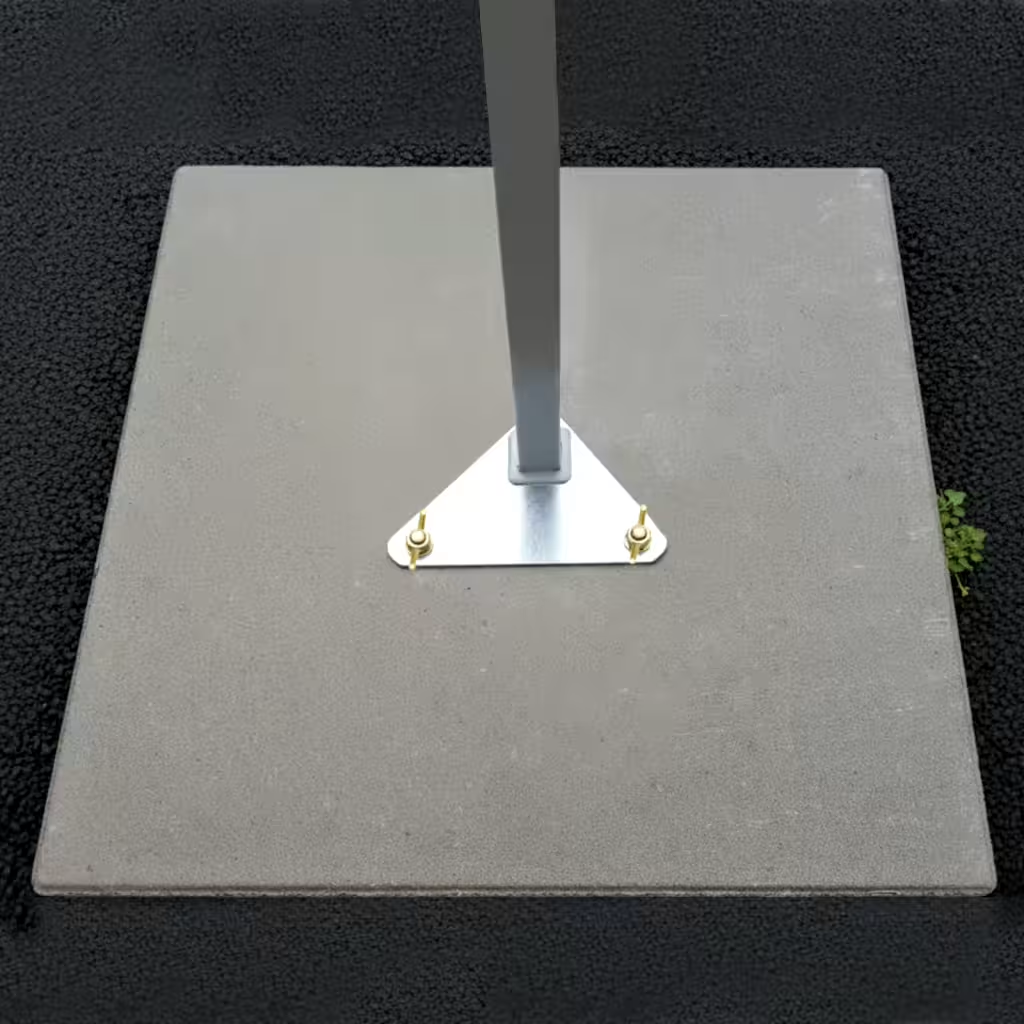
A) Professional stackable steel weights (plates)
This is the most durable and reliable anchoring solution. These steel "horseshoes" are designed to easily slide onto the leg of the structure. Their main advantage is stacking, which significantly increases the overall weight and stability of the tent even in extreme weather conditions.
- Advantages: Maximum stability, stacking option for extra load, long lifespan. Suitable for umbrellas with a pole diameter of up to 5.5 cm.
- Disadvantages: Higher acquisition cost, more difficult to transport (due to transport weight).
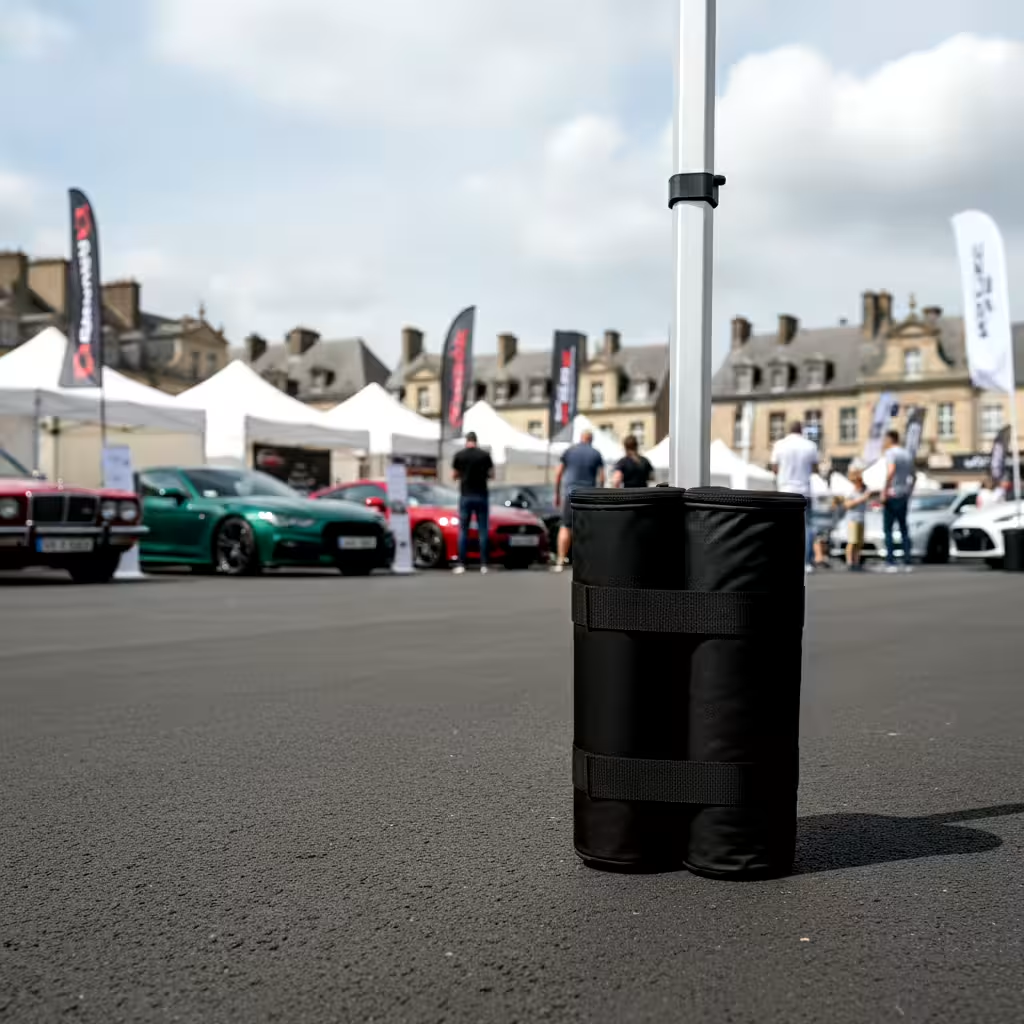
B) Sand and water weight bags
Sand and water bags are a flexible and affordable alternative to steel weights. Empty bags are lightweight, making them easy to transport. You can fill them right at the event location.
- Sand bag: Filled with sand, gravel, or other loose materials.
- Water bag: Filled with water, which is often more readily available. (Note: not usable in freezing conditions).
C) Tent stakes for unpaved ground and anchoring ropes
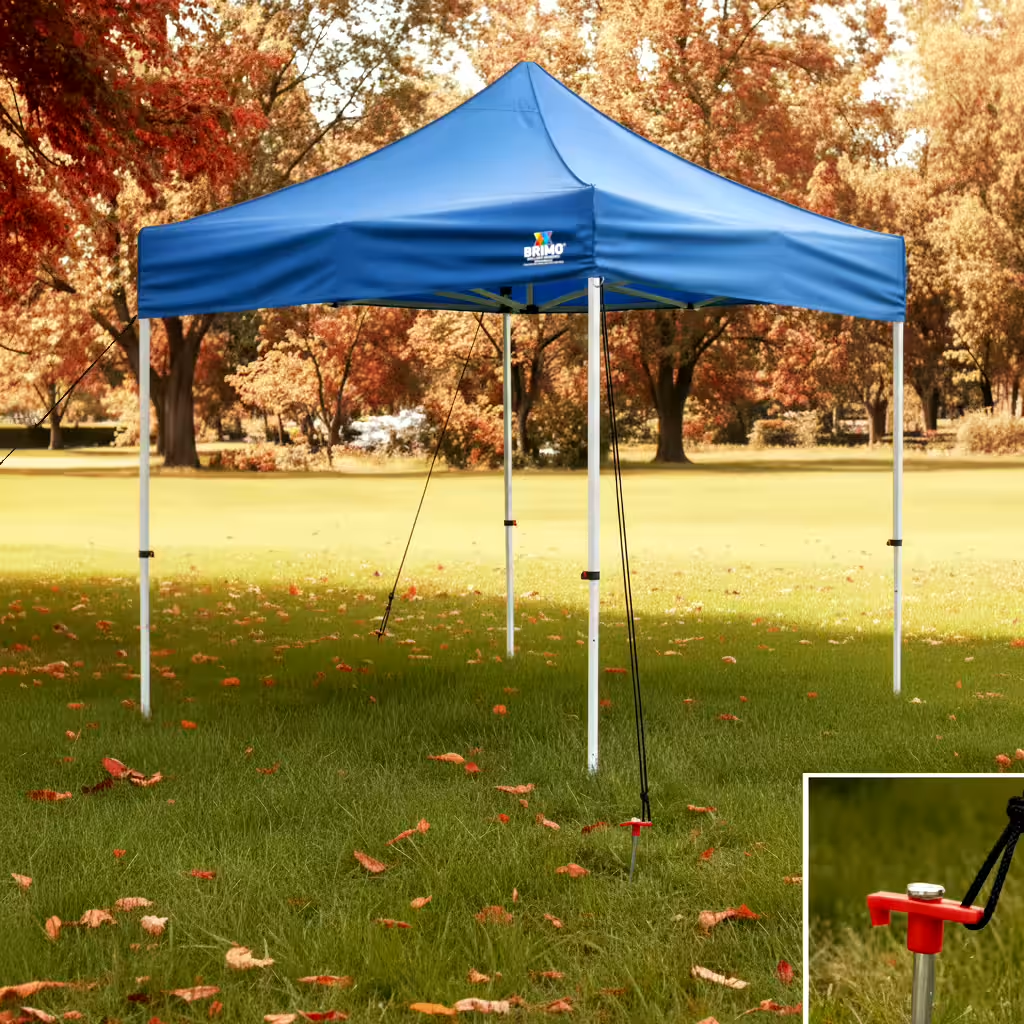
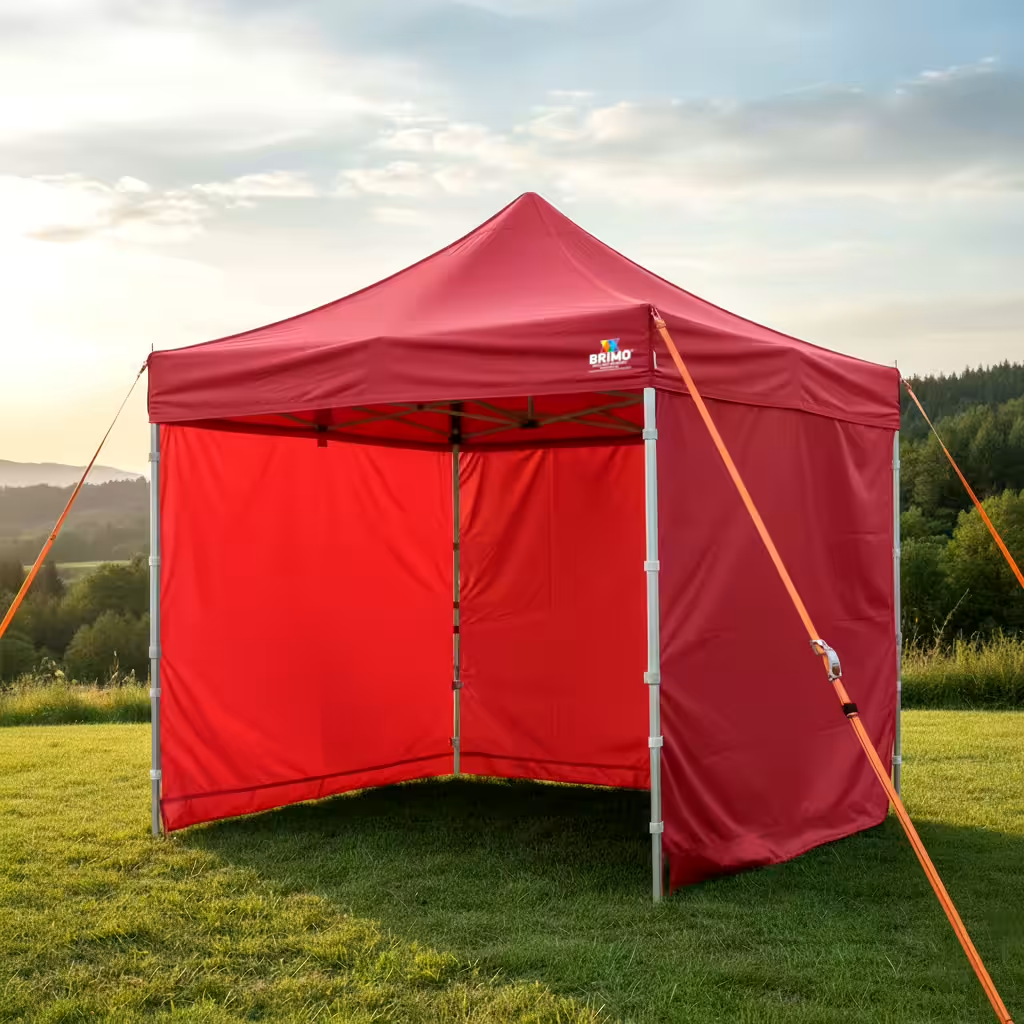
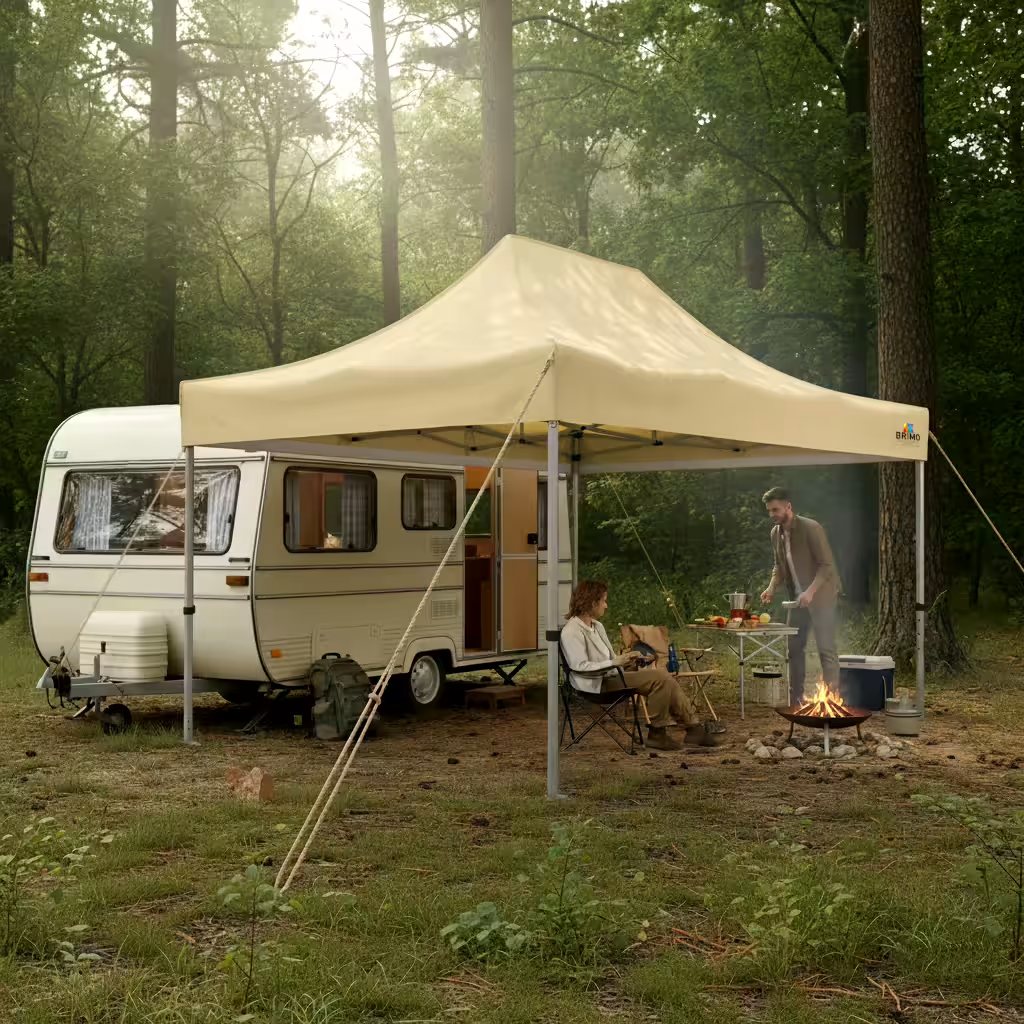
A classic and basic anchoring solution. The stakes (or nails) that come with BRIMO brand folding tents need to be used on each leg of the tent. However, for extra protection against wind, it is ideal to also use anchoring ropes, which you tension at a 45° angle and secure to the ground.
This method of securing the tent serves as additional anchoring. The main anchoring is the aforementioned additional weights or stakes that are included in the price.
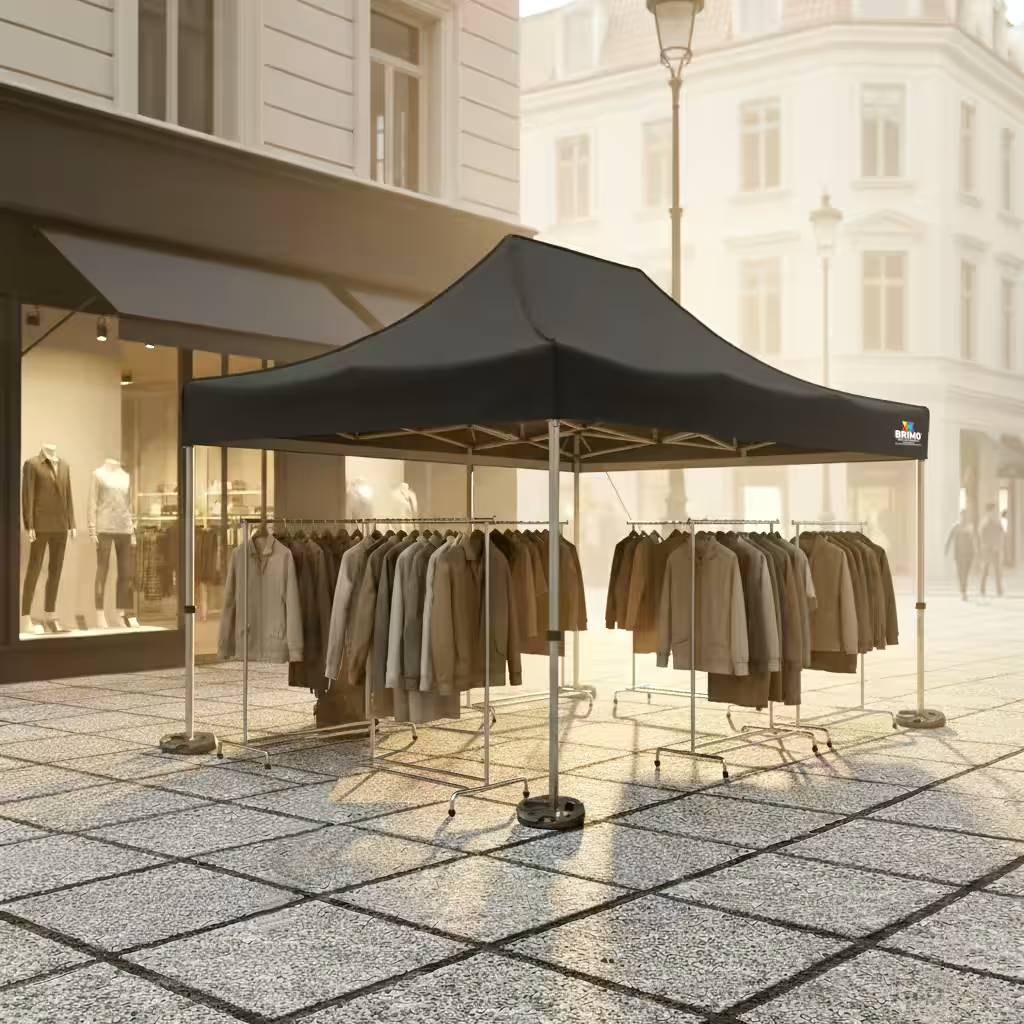
2. Other anchoring methods for grassy areas and special situations
Cheaper but more demanding ways to anchor a tent on various surfaces.
D) Mechanical anchors for concrete and asphalt
For long-term installations on hard surfaces (e.g., market stalls, summer terraces), special steel anchors are used that are drilled directly into the substrate. This is a more permanent and stable solution for any solid surface.
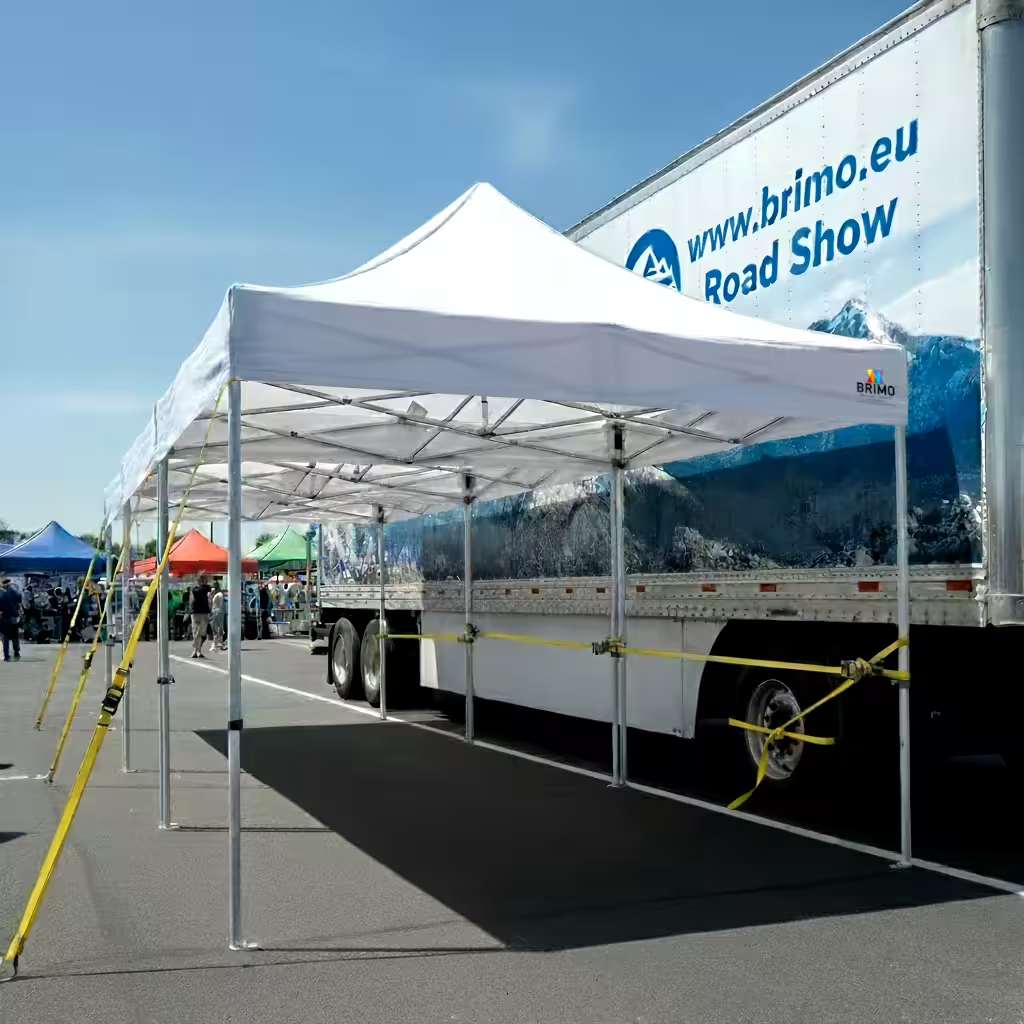
E) Anchoring straps and ratchets to fixed points
If there is a solid obstacle (tree, lamp, railing) near the pop-up tent, you can anchor the tent using strong ratchet straps or ropes.
Important notice when using ratchets: Only tension the ratchet or rope minimally! Excessive tension can easily damage the frame structure or the party tent canopy. The folding tent must have slight play and the ability to sway slightly (flex) even when tied down during windy conditions.
- Advantages of the anchor: Provides extremely strong anchoring to solid obstacles, ideal for very windy locations.
- Disadvantages of the ratchet/strap: It is not the main anchoring for the folding pop-up gazebo, but rather an attachment to the previously mentioned weights or stakes. Stakes are always sold with the tent.
3. Self-help and DIY anchoring solutions (for emergency situations)
If you need a quick and inexpensive solution and do not have professional weights on hand, you can help yourself.
F) DIY weights from plastic containers (Cans)
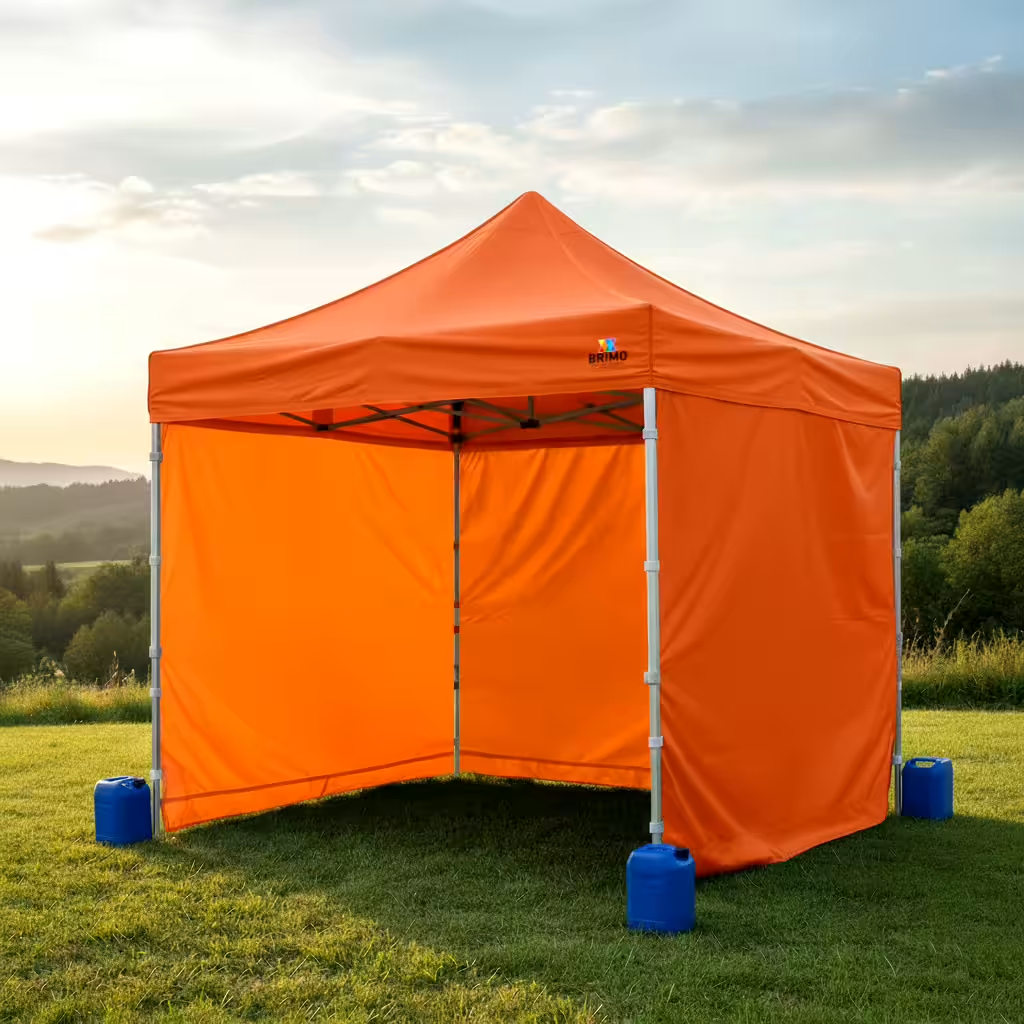
Instead of special bags, you can use 20-liter cans or large plastic bottles. Fill them with water or sand and tie them to the legs of the tent using a sturdy rope or strap.
Recommendation: Use a weight of at least 20 kg for each leg, which represents, for example, four 5-liter bottles or one 20-liter can.
G) Using a vehicle or heavy equipment
If you have the option to place a vehicle (car, trailer) close to the tent, you can tie the tent to its frame or towing eyes. This is an extremely effective anchoring method, but it requires careful securing of the parking space and careful anchoring of the opposite side of the tent, not just the side by the car.
Safety first: Recommended minimum load
Remember: Never underestimate the power of the wind!
It is recommended that each leg of the pop-up tent has a load of at least 20 kg. When expecting strong winds (over 40 km/h), this load should be increased and always combined with anchoring using ropes and stakes (if the surface allows). Safety is the top priority!