


Pop-up Gazebos: An Investment Worth Protecting Through Proper Maintenance
Whether you are a professional exhibitor, an event organiser, or an enthusiastic gardener, you probably know that quality pop-up gazebos are not just a temporary shelter, but an important partner for the success of your event. These mobile structures face tough conditions during their lifespan – from intense UV radiation and sudden summer storms to the dust and mud of festival fields. However, many owners underestimate the fact that the lifespan of a gazebo depends not only on the thickness of the steel profiles but primarily on the regular care of the textiles and the mechanism.
In this article, we won't just focus on superficial cleaning. We will take an in-depth look at how physical factors affect the materials of pop-up gazebos and why preventative maintenance is economically more beneficial than premature replacement of the canopy.
Why does gazebo material degrade over time?
Modern instant shelters are usually made of highly durable polyester fabrics with a PVC or PU coating. Although these materials are designed to withstand weather conditions, they are not indestructible. The biggest enemy is not just visible dirt, but microscopic dust particles and biological waste (pollen, leaves) that get trapped in the pores of the fabric.
If you do not pay attention to your pop-up gazebo, a degradation process occurs in several stages:
- Loss of water resistance: Impurities disrupt the surface tension of the fabric, leading to water seeping through instead of running off.
- Mould formation: Storing a damp gazebo in a closed bag creates the ideal environment for mould, which not only smells bad but permanently weakens the textile fibres.
- Corrosion and seizing: Dust and sand in the joints of the frame act as an abrasive paste, which over time makes folding and unfolding difficult.
Understanding these processes is the key to avoiding unnecessary costs. With the right approach to pop-up gazebos, you can extend their representative appearance and functionality by several years. In the following lines, expert Mark Nel will explain the exact procedure on how to do it.
Comprehensive Maintenance Guide: From Cleaning to Safe Storage
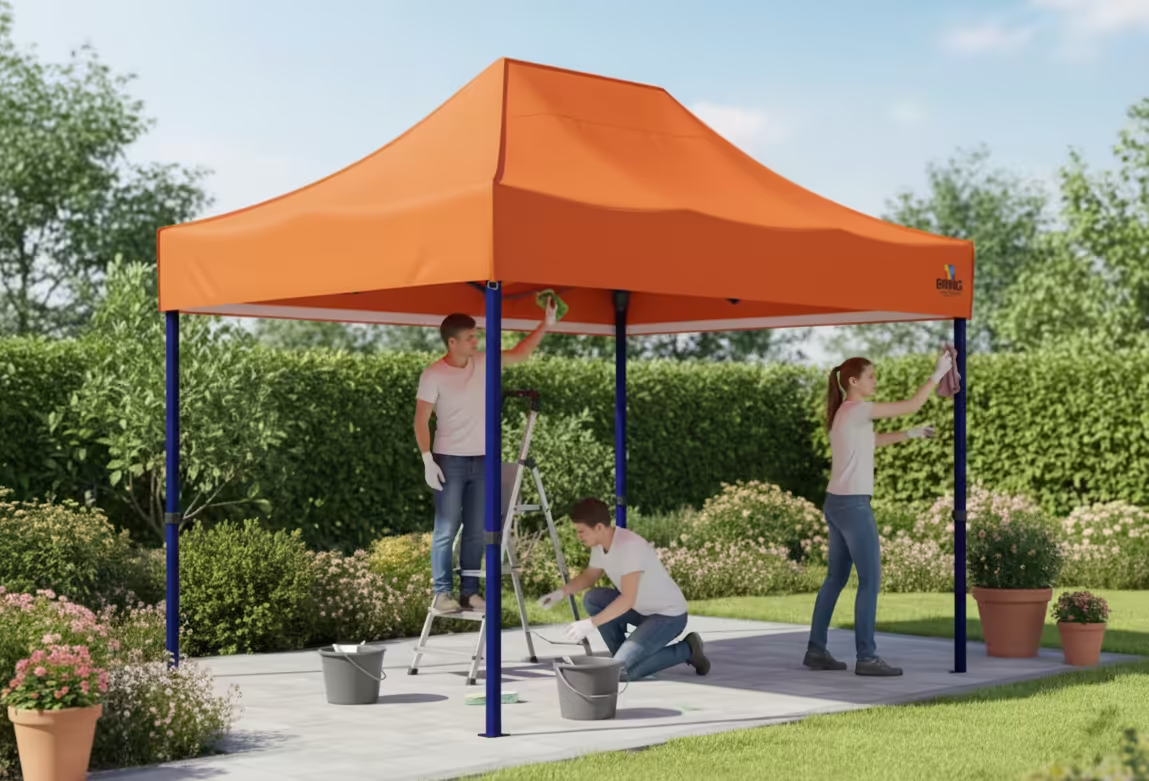
Proper maintenance is not just about aesthetics, but above all about functionality. Many users make the mistake of cleaning pop-up gazebos haphazardly or using unsuitable chemicals that can irreparably damage the protective layer of the canopy. Mark Nel, an expert in portable structures, emphasises that the key to success is gentleness and being systematic. So let's look at the technical details on how to handle this process professionally.
1. Choice of chemicals and tools: Less is sometimes more
The canopy fabric from which quality pop-up gazebos are made is sensitive to abrasive materials. Although it may be tempting to use a scrubbing brush or the rough side of a sponge to remove dried mud, this procedure is destructive. Hard bristles create microscopic scratches on the PVC surface, in which dirt will settle even deeper and faster during the next use.
For regular maintenance, lukewarm water with a mild soap solution is fully sufficient. If you face more stubborn stains, opt for specialised cleaners designed directly for PVC materials, which chemically break down dirt without weakening the fibre structure.
Comparison of maintenance methods: What benefits the gazebo and what destroys it
To make your decision easier when caring for your gazebo, we have prepared a clear table based on expert recommendations. These differences in approach can mean the difference between a gazebo that lasts a decade and one you'll have to throw away after one season.
| Maintenance Area | ✔ Recommended Procedure | ✘ What to Avoid |
|---|---|---|
| Cleaning Agents | Mild soap, special PVC cleaners, lukewarm water. | Aggressive solvents, bleach, abrasive pastes and powders. |
| Mechanical Cleaning | Soft cloth, microfibre sponge. | Hard brushes, wire wool, pressure washers from close range. |
| Cleaning Process | First dismantle and clean the sidewalls, only then the roof. | Starting with the roof while walls are attached (dirt run-off). |
| Drying | Minimum 2 days in an airy place before folding. | Folding a damp gazebo ("it will dry in the bag"). |
2. Systematic procedure and critical drying
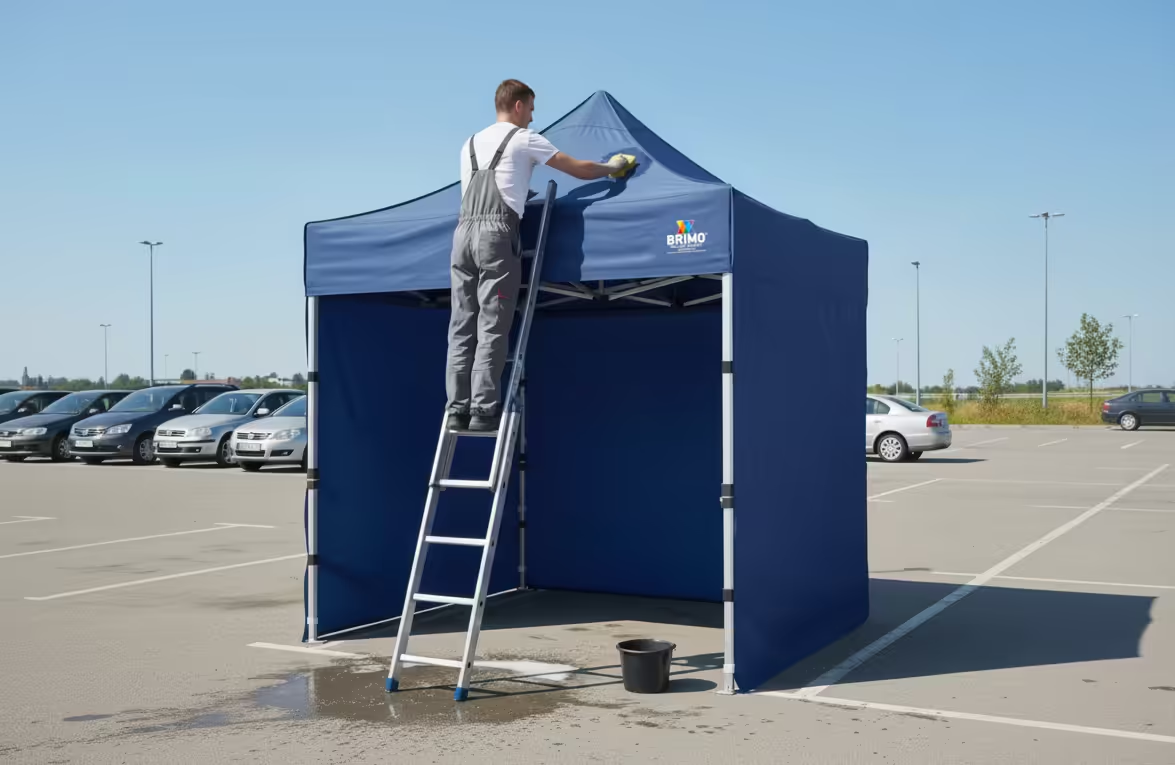
When cleaning, follow a logical order: attend to the sidewalls first. After cleaning them, take them down and put them aside. Only then tackle the roof canopy. This way, you prevent dirty water from the roof running down onto the already cleaned sides, which would unnecessarily double your work.
Perhaps the most important point of the entire process, which the manual for pop-up gazebos also warns about, is drying. Moisture trapped in an airtight bag is a ticking time bomb. Mould can develop in such an environment in just a few days.
It is ideal to leave the gazebo erected (or the canopies hung up) in a well-ventilated place for at least 48 hours. If you have no other choice and have to pack a wet gazebo (for example due to rain directly at the event), it is imperative to erect it again and dry it within 12 to 24 hours. Ignoring this step leads not only to an unpleasant smell but also to permanent damage to the waterproof coating of the fabric.
Conclusion: Long life begins with a responsible approach
Investing in quality equipment is just the first step towards successful events. The true value that pop-up gazebos bring you is measured in years of trouble-free use. Regular maintenance, thorough drying, and correct storage are not just obligations, but a strategic way to keep your presentation at a professional level. Remember that a clean and functional gazebo is the business card of your company or the hallmark of quality for your family party.
By following the advice of expert Mark Nel, you will ensure that your pop-up gazebo remains resistant to the elements and mechanical wear for many seasons. Just a few tens of minutes of care after each event is enough to avoid unnecessary investments in spare parts or new canopies.
Frequently Asked Questions (FAQ)
Can I wash pop-up gazebo canopies in a washing machine?
We strongly advise against it. Mechanical friction in the washing machine drum and aggressive washing powders can irreparably damage the PVC or PU coating that ensures waterproofing. For pop-up gazebos, the most suitable choice is manual cleaning with a soft sponge on the erected gazebo or on a flat surface.
What should I do if I had to pack the gazebo wet due to sudden rain?
In such a case, time is crucial. Wet pop-up gazebos should not remain in the closed transport bag for more than 12 to 24 hours. As soon as you arrive at the warehouse or home, erect the gazebo and let it dry completely in a well-ventilated space. This will prevent the formation of mould and unpleasant odours, which would be very difficult to remove later.
Written by:
Mark Nel
About the Author
Mark Nel – An expert in modern solutions and the implementation of innovative technologies in portable structures and tent systems, with more than ten years of experience in the field of adaptable structures for diverse events and professional projects.
He studied the field of implementing new technologies and information systems in developing countries at the University of Johannesburg and actively participates in collaboration with the company BRIMO in designing and verifying innovative tents that guarantee safety, rapid assembly, and durability of materials.
His contributions focus on practical advice on the choice, maintenance, and safe use of scissor tents and the integration of innovative solutions into daily operations.
 Everything you need to know about properly storing a scissor tent
Mark Nel · 02.02.2026 ·
Everything you need to know about properly storing a scissor tent
Mark Nel · 02.02.2026 ·  How to anchor a folding tent: 4 best anchoring methods
Alex Martin · 07.01.2026 ·
How to anchor a folding tent: 4 best anchoring methods
Alex Martin · 07.01.2026 ·