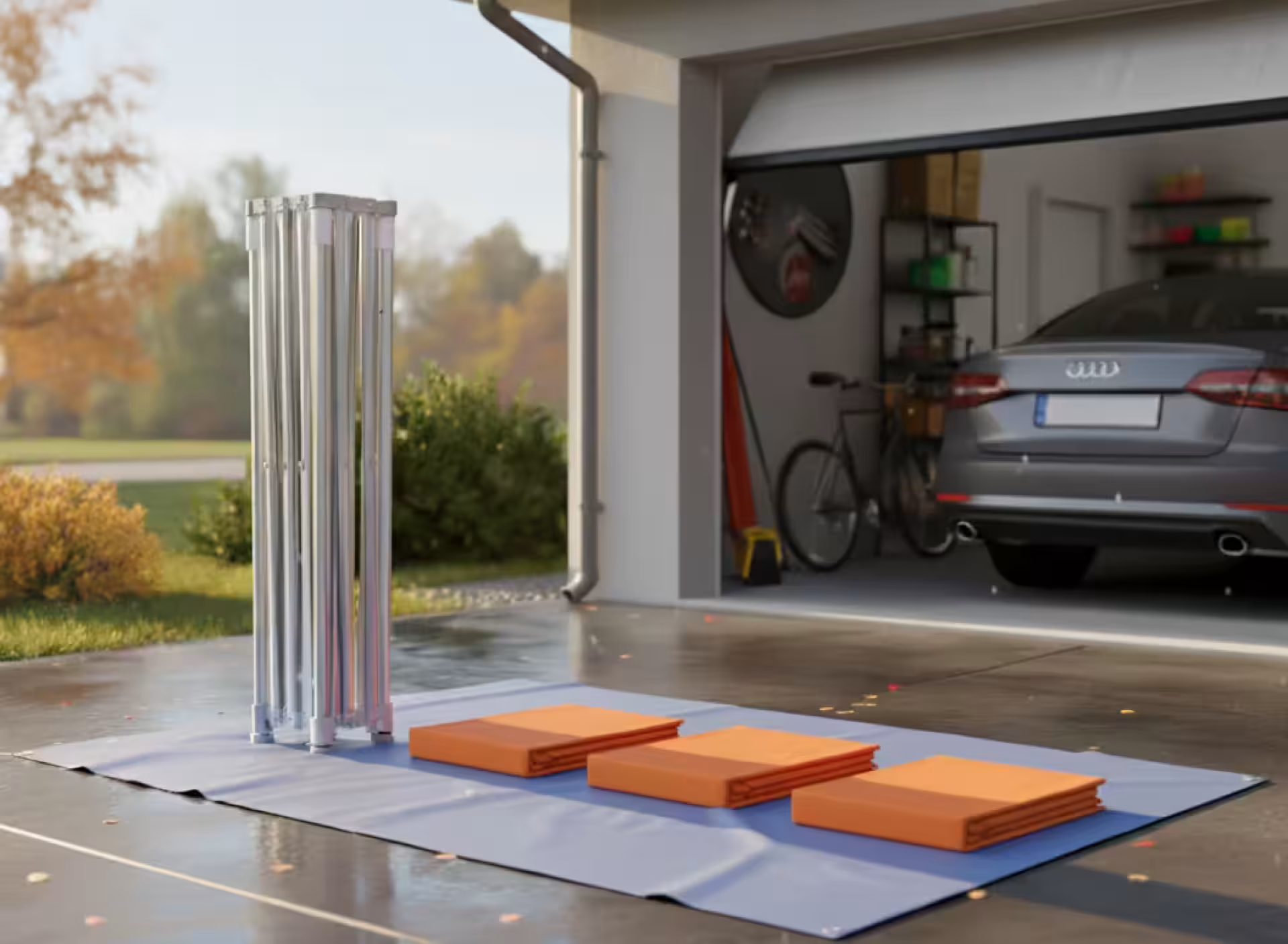
Complete guide to the proper storage of your pop-up gazebo: The key to longevity
Investing in professional roofing is no small matter, which is why it's surprising how many owners underestimate what happens to the structure during the off-season. The key to preserving functionality and aesthetics isn't just usage itself, but above all, discipline in storing the pop-up gazebo. Whether it's a printed advertising marquee or a classic garden gazebo, improper conditions during its "rest" can cause irreversible damage to materials that would otherwise last for years.
Why is the storage process critical for the durability of pop-up gazebos?
Many users don't realise that the biggest enemy of tents isn't wind or rain during an event, but residual moisture and unsuitable temperatures when the tent is folded. With improper storage of the pop-up gazebo, microscopic degradation processes occur – from corrosion of metal joints to the formation of mould in the polyester fibre structure. These processes are often invisible until you unfold the tent again.
In the following lines, we will look in depth at the technical aspects of maintenance. We will explain why paying attention to the precise storage of pop-up gazebos directly influences the return on your investment and how to avoid mistakes that could cost you the purchase of a new structure.
Preparation before storage: A critical step that must not be skipped
The alpha and omega in storing a pop-up gazebo is the elimination of residual moisture. Many owners make a fundamental error by folding the tent immediately after an event, when the canopy is still slightly damp from morning dew or rain, and storing it in this state for several months. In a closed environment without air circulation, moisture becomes a breeding ground for mould, which not only aesthetically ruins the fabric with dark spots but also damages the waterproof coating of the material.
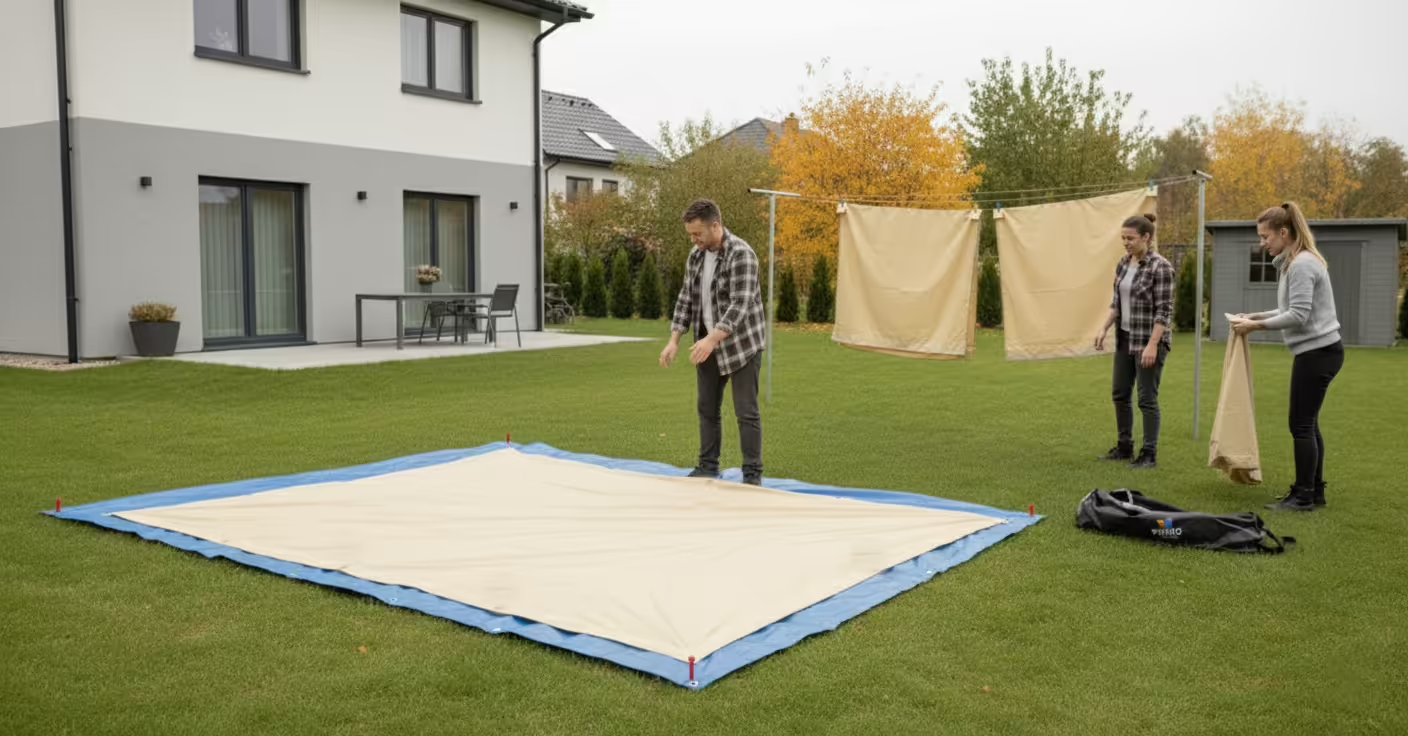
Before the actual storage of pop-up gazebos, it is therefore necessary not only to visually check the canopies but to let them dry unfolded in a well-ventilated place. It is also necessary to remove coarse dirt, mud, or dust, which could act abrasively on the textile fibres over a long period.
Comparison of the influence of storage conditions on material lifespan
To better illustrate the risks, we have prepared a clear table showing how different factors during the storage of the pop-up gazebo manifest on its condition after the winter season.
| Environmental factor | Improper storage | Correct solution | Result after the season |
|---|---|---|---|
| Moisture | Storing a wet tent in an impermeable cover. | Complete drying and use of a breathable bag. | No mould, fabric strength preserved. |
| Temperature | Storage in frost (unheated garage). | Dry place with temperature above freezing. | PVC layer doesn't crack, canopy remains flexible. |
| Light | Exposure to direct UV radiation (e.g., near a window). | Dark place or opaque cover. | Saturated colours without logo fading. |
| Protection | Tent left loose without a cover. | Closed protective bag. | Protection against dust and rodents. |
Choosing the ideal location: Cellar or attic?
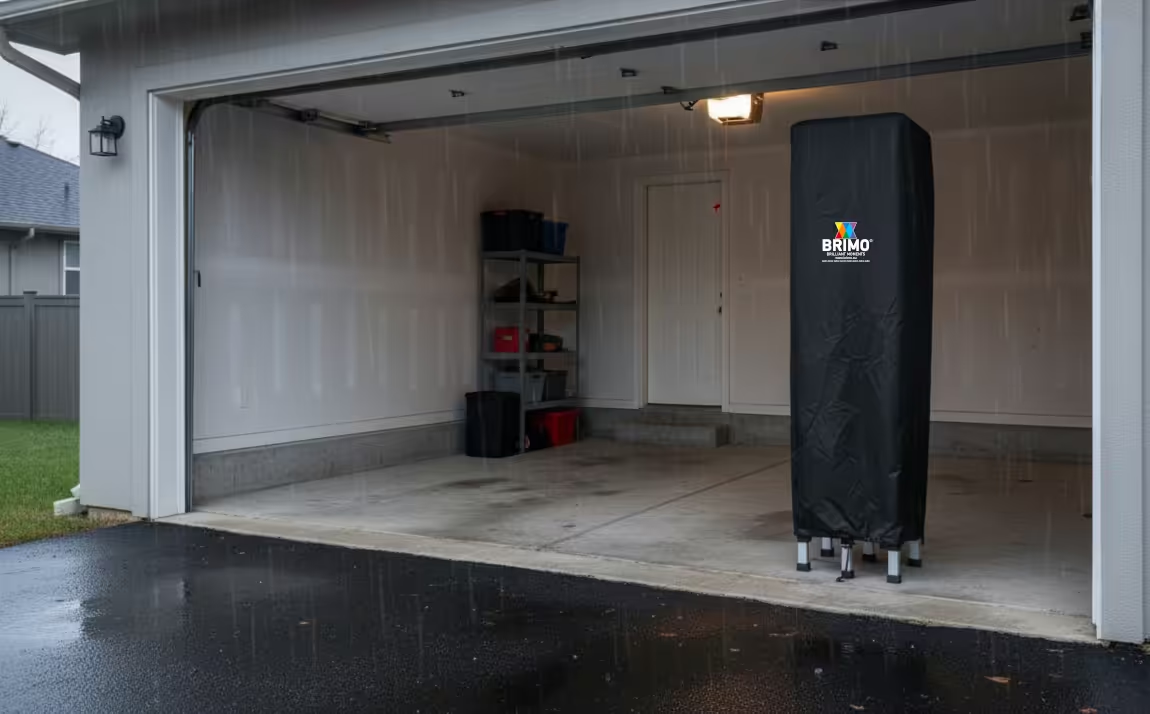
Not every "dry" place is automatically suitable. When storing a pop-up gazebo, it is important to consider temperature fluctuations as well. While cellars can suffer from high humidity, unheated attics or garden sheds often freeze in winter. Frost is particularly dangerous for the vinyl and PVC parts of the tent, which become brittle at low temperatures and can crack during subsequent handling.
The ideal scenario for long-term storage is a utility room in the house, a heated garage, or a warehouse where the temperature is held stably above freezing and humidity is regulated. With this approach, you ensure that the structure will be ready for immediate use as soon as the first spring days arrive.
Conclusion: Protecting the tent is an investment in your wallet
Proper care of mobile roofing isn't just a matter of aesthetics, but above all, economics. Every mistake in storing the pop-up gazebo will sooner or later manifest in the functionality of the structure or the visual quality of the sheeting. If you dedicate time to thorough drying, cleaning, and choosing a suitable place, your tent will repay you with long years of service without the need for expensive repairs or premature replacement of parts. Don't forget that preventative maintenance is always cheaper than remedying the consequences of neglect.
Other questions to consider when storing
1. Is it appropriate to wrap the tent in stretch film so it doesn't gather dust?
This is a common mistake. Although it may seem that hermetic sealing in plastic film protects against dust, during long-term storage of the pop-up gazebo, this creates ideal conditions for moisture condensation. The tent needs to "breathe". If you seal it airtight and a temperature change occurs in the room, the condensed water inside the film will cause mould formation and corrosion of metal parts. Always use original protective bags designed to allow air circulation.
2. Should I dismantle the roof canopy from the structure before winter storage?
Yes, for long-term storage (for example, throughout the entire winter), it is strongly recommended to dismantle the roof from the structure. If you leave the canopy on the frame for long months in a folded state, excessive friction and permanent creasing of the material can occur in the folds. Furthermore, separating the canopy from the structure will allow you to better check if the fabric is truly dry in every fold, thereby avoiding unpleasant surprises in the spring.
Written by:
Mark Nel
About the author
Mark Nel – Expert in modern solutions and the implementation of innovative technologies in portable structures and tent systems, with over ten years of experience in the field of adaptable structures for various events and professional projects.
He studied the implementation of new technologies and information systems in developing countries at the University of Johannesburg and actively participates in collaboration with the company BRIMO in designing and verifying innovative tents that guarantee safety, rapid assembly, and material durability.
His contributions focus on practical advice on the choice, maintenance, and safe use of pop-up gazebos and the integration of innovative solutions into daily operation.