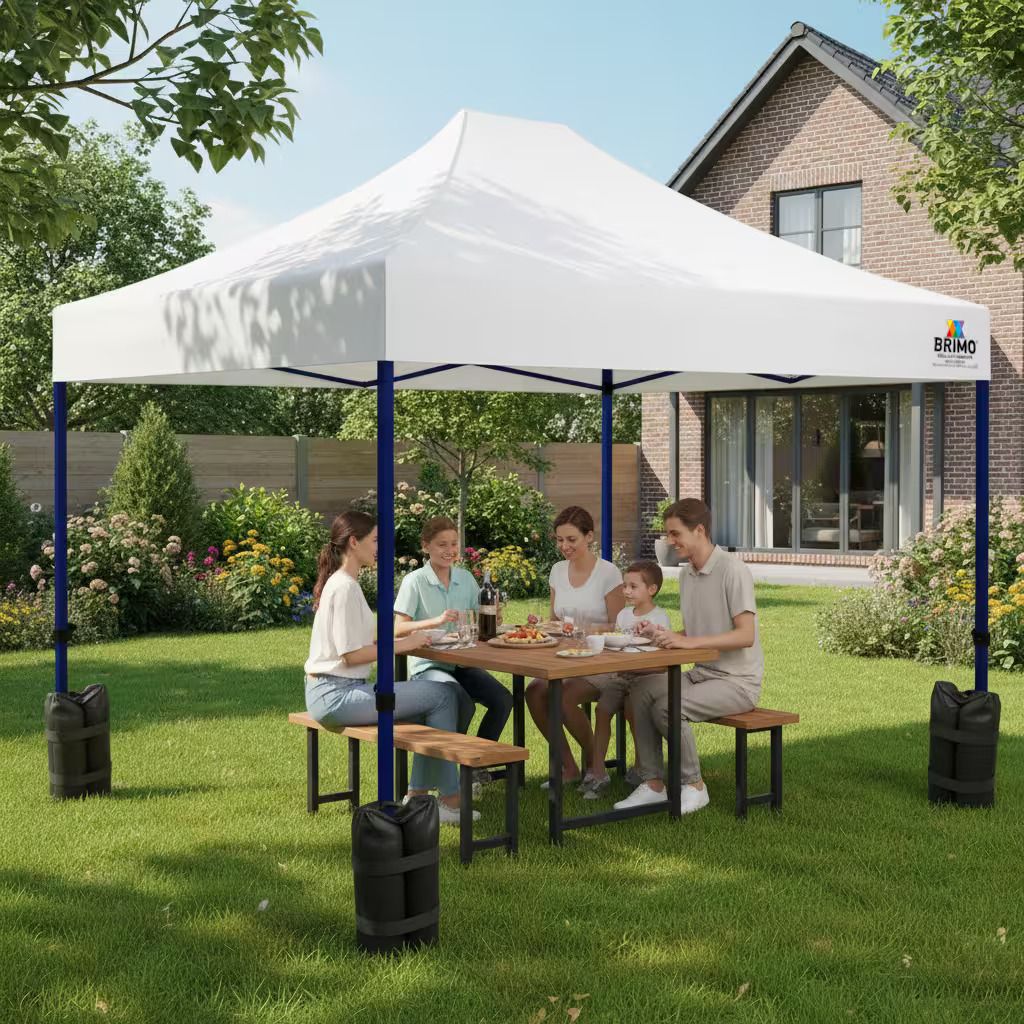
How to anchor a pop-up gazebo: The 4 best anchoring methods
Why you shouldn't underestimate wind force and weather changes
Pop-up gazebos and marquees have become an indispensable part of outdoor events, from family celebrations and garden parties to farmers' markets and large corporate events. Their biggest advantage is quick assembly, flexibility, and excellent mobility. However, this lightweight structure also brings one major challenge – protection against unexpected wind gusts and sudden weather changes.
Many users often make the same mistake: they rely on the gazebo being heavy enough on its own, or hope the good weather will last all day. The truth is, however, that even a seemingly light wind can get under an unanchored gazebo and flip it over, which can lead not only to the destruction of the shelter itself, but primarily endanger the safety of people around it.
What will you learn in this guide?
To help you prevent these unpleasant situations, we have prepared a detailed overview for you. In the following lines, we will look at how to effectively and safely secure your mobile gazebo on different types of surfaces – whether you are standing on grass, concrete, or tarmac.
We will introduce the four most reliable anchoring methods. You will find out when it is best to use steel base plates, why water and sandbags are practical, and in which cases traditional guy ropes and pegs will save you. Ensure that your gazebo always stands firmly and securely under all circumstances.
Steel weights
The advantages of steel base plates and their reliability
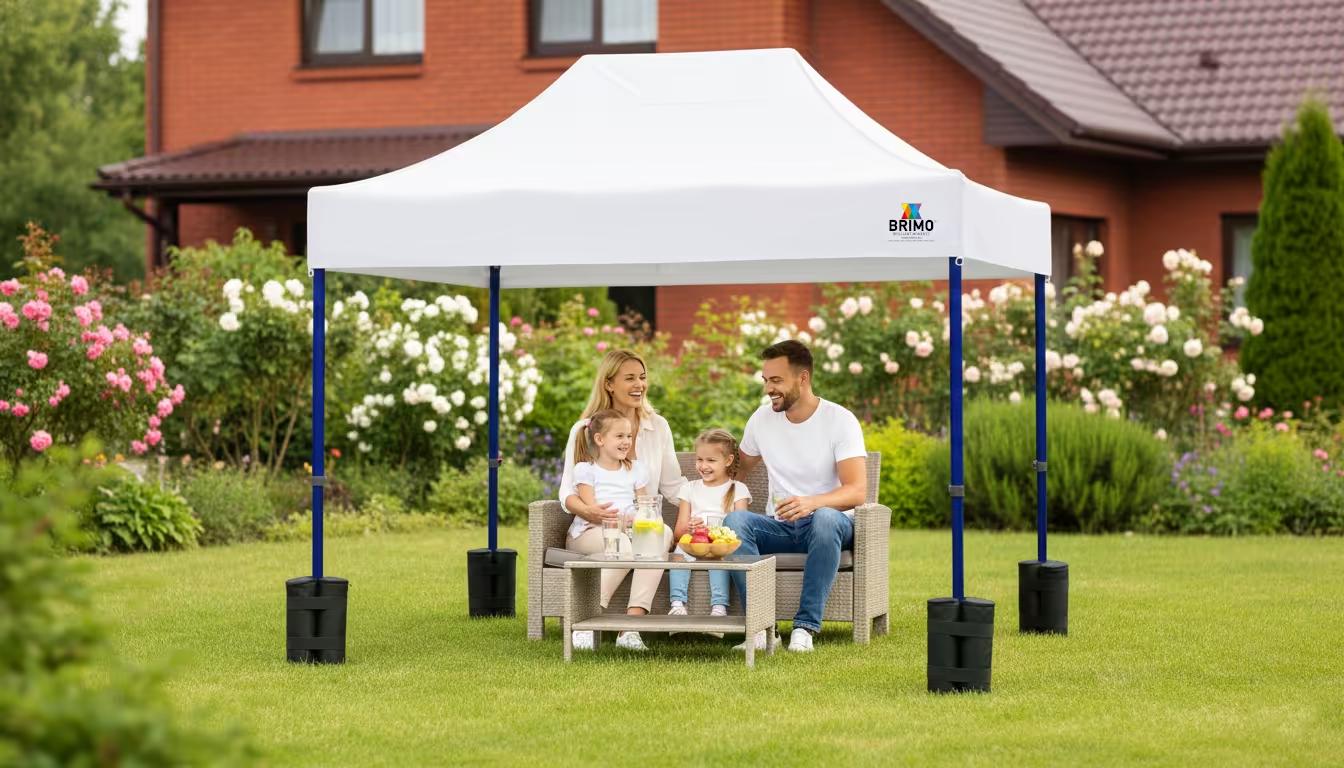
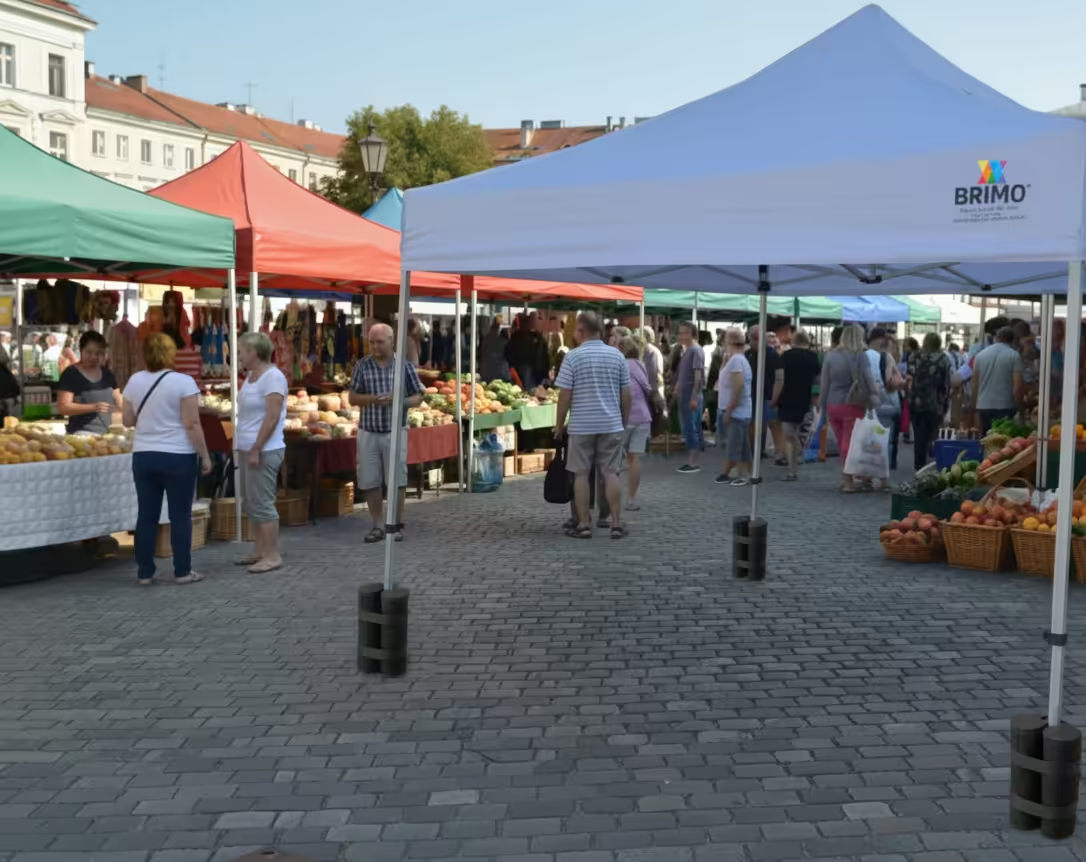
If you are looking for absolute security and a long-term solution, steel base plates are one of the most effective ways to anchor a pop-up gazebo. Their greatest advantage is extreme resistance to mechanical damage and the ability to keep the gazebo in place even during stronger wind gusts. Unlike other methods, steel does not lose volume, does not leak, and does not take up unnecessary space around the structure's legs. You will appreciate this compactness especially in tight spaces or at busy markets, where you minimise the risk of someone tripping over the weight.
Weight, stacking, and handling
Each standard steel plate weighs approximately 11.5 kg. Thanks to a specially designed cutout, it slides very simply and quickly directly onto the lower part of the gazebo leg. A massive advantage of this system is the possibility of stacking – if you expect exceptionally severe weather, you can stack two or even three plates on top of each other on a single leg of the structure. In this way, you elegantly multiply the load and overall safety without disrupting the aesthetic appearance of your sales or presentation stand.
Ideal placement: Where does steel excel the most?
This type of anchoring is an absolute necessity wherever it is not possible to use classic pegs driven into the ground. The plates are specially designed for use on hard and impermeable surfaces. They will serve perfectly on concrete squares, tarmac car parks, paving stones, wooden decking, or even in indoor exhibition halls.
Water weights
Practical features and maximum mobility
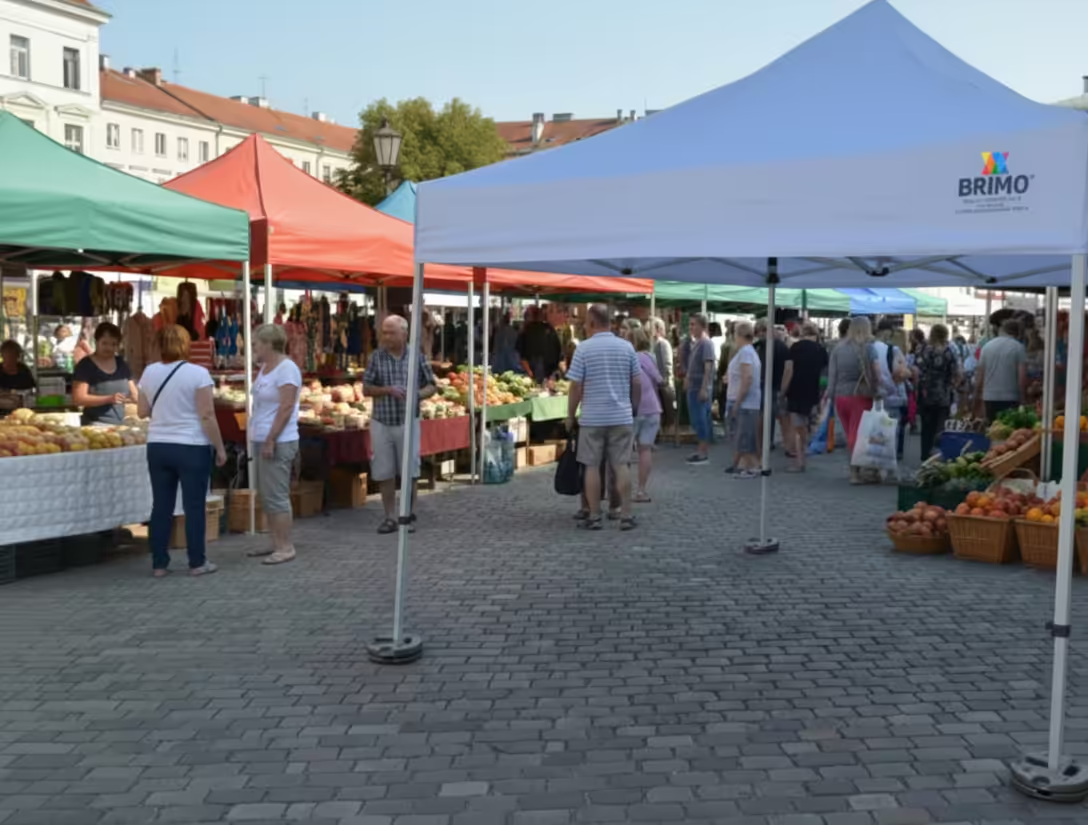
If you travel frequently and the limited storage space in your vehicle is crucial for you, water bags made of strong and durable PVC material are the perfect choice. When unfilled, they are extremely light, fold easily, and take up almost no room. Their main strength is only revealed directly at the event venue. Once filled with water, they provide a stable and reliable anchor, with one bag reaching a weight of about 20 kg. This system is simply and securely attached directly to the gazebo leg using strong velcro straps, guaranteeing a firm connection with the structure.
Where and when is it best to use them?
This method is ideal for quick, one-day events, summer festivals, or exhibitions, provided you have access to a water source. Water weights are extremely popular among stallholders who need to set up and pack down their stands in the shortest possible time. After the event finishes, you simply pour the water into the drain or onto the grass and travel back home with an empty car boot again. The only limitation is the winter period – at sub-zero temperatures, their use is not recommended for logical reasons, to prevent ice from damaging the bag.
Sandbags
The features of sandbags and their affordability
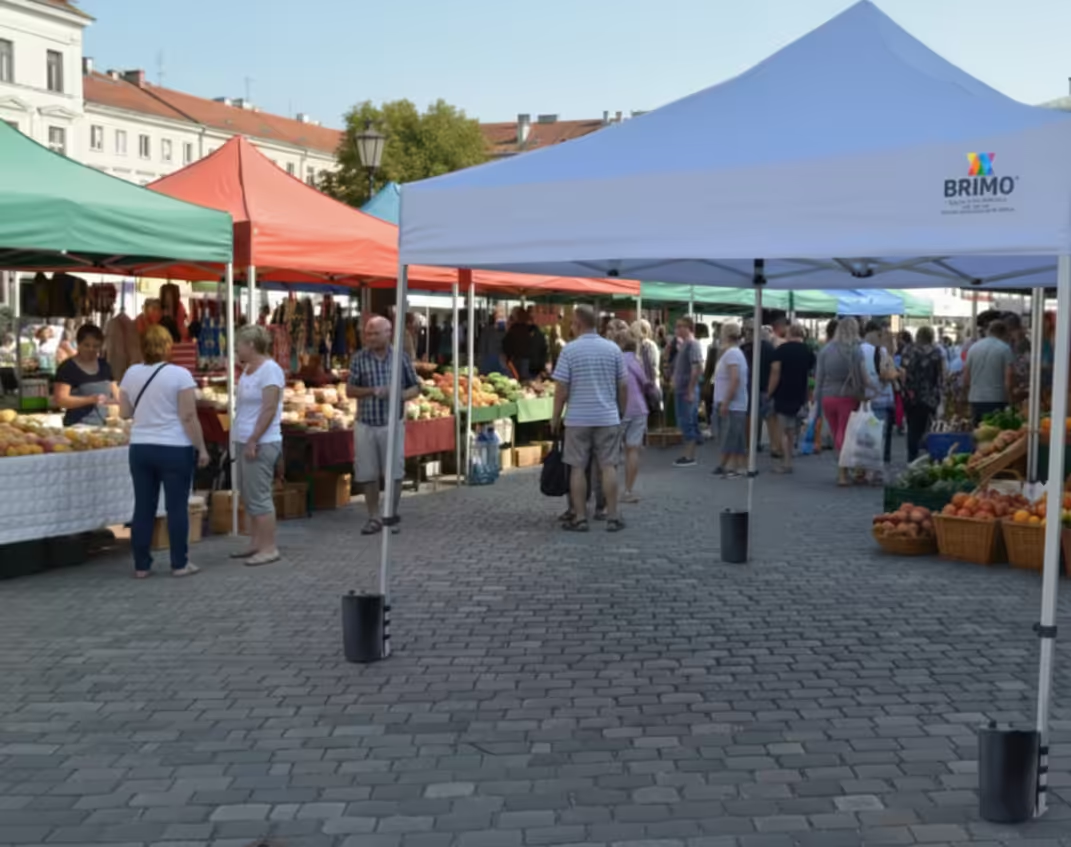
Sand or gravel bags represent one of the most affordable and versatile options for anchoring pop-up gazebos. They are made of strong and abrasion-resistant materials that guarantee a long lifespan even with frequent use. Each bag is practically designed with two separate chambers which, once filled with sand or fine gravel, reach a total weight of approximately 14 kg. A huge advantage is that you can get the filling very cheaply and, unlike water, there is no risk of it freezing during the winter months.
Smart design, placement, and main advantages
Thanks to the specific H-shape, the bag wraps perfectly around the leg of the gazebo structure. This clever design also brings a key advantage for larger events – it allows for safely and effectively anchoring multiple gazebos right next to each other so that one bag stabilises two adjacent legs at once. This method is happily used on paved surfaces, such as concrete squares, tarmac car parks, or tiled patios. A properly filled and secured sandbag significantly increases stability and protects your gazebo from toppling over even in more demanding weather conditions.
Guy ropes and pegs
Traditional anchoring on a soft surface
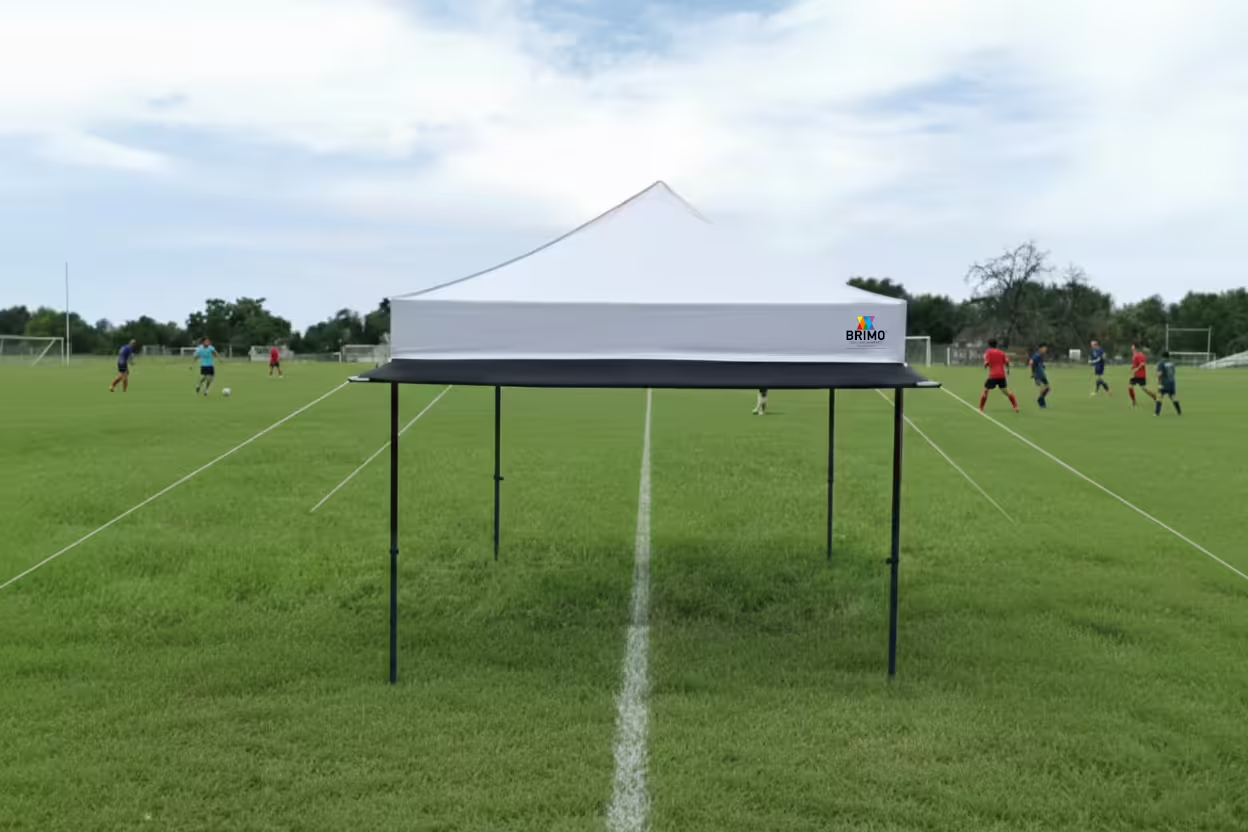
The classic tie-down of the gazebo using strong guy ropes and steel pegs is a time-tested and extremely effective method. This solution is ideal and absolutely necessary wherever the ground allows it – meaning mainly on grass pitches, meadows, in parks, on unpaved fields, or even on sandy beaches. The steel pegs penetrate deep into the ground and create a firm anchor point which, in combination with a properly tensioned guy rope, can protect the gazebo even from strong gusty winds.
Correct use, tensioning the ropes, and maximum safety
The key to success with this method is the correct technique. The ropes should always be attached to the top part of the gazebo (often to prepared eyelets on the roof or directly to the solid structure) and led towards the ground at an angle of approximately 45 degrees. Subsequently, the rope is anchored with a steel peg driven firmly into the earth. The good news is that the basic set of pegs and guy ropes is generally always included in the price of the gazebo, so you have this primary protection available immediately. Do not forget one important rule, though: at events with high footfall, make sure that the tensioned guy ropes are clearly visible to prevent the risk of tripping.
Combining anchoring methods: The path to maximum stability
Why is a combination the best solution?
To achieve absolute protection and maximum stability, it is best to combine individual anchoring methods with one another. This approach is of critical importance especially when strong winds are forecast, storms are approaching, or in the case of long-term, multi-day use of the gazebo in one spot. Do not rely on just one point of protection if the situation and the surface allow you to secure yourself in several ways simultaneously.
Practical tips for professionals
What does this look like in practice? An excellent and proven strategy is, for example, the use of steel base plates or water weights directly on the legs of the structure, complemented by the classic guy rope tie-down to the ground using steel pegs. If you add side panels to the gazebo, remember that this significantly increases wind resistance (the so-called sail effect), therefore the total weight of the anchoring should also be increased proportionately. When choosing the method, always consider the type of surface and the nature of your event.
Frequently Asked Questions (FAQ)
1. How to anchor a pop-up gazebo on concrete or tarmac?
On hard surfaces, where it is not possible to use drive-in pegs, the best and safest choice is steel base plates, which slide directly onto the gazebo legs. An excellent alternative is also water weights (provided you have access to a water source) or H-shaped sandbags. To achieve extra stability in bad weather, we recommend stacking the weights on top of each other on the legs.
2. How much wind can an anchored pop-up gazebo withstand?
Wind resistance always depends on the quality of the gazebo structure itself (strength of profiles, steel vs. aluminium) and the quality of its anchoring. Standard professional gazebos, with proper anchoring of all four legs and perfect tensioning of the guy ropes, can handle winds of approximately 30 to 40 km/h. However, in the event of stronger wind gusts, a storm, or extreme weather, it is recommended for safety reasons to take the gazebo down preventatively.
Written by:
Mark Nel
About the article author
Mark Nel – an expert in modern solutions and innovative technologies in the field of portable structures and gazebo systems. With over a decade of experience with adaptable constructions, he focuses on the development and testing of products that combine safety, quick assembly, and extreme material durability.
He has a long-term collaboration with the BRIMO brand, and his articles bring readers highly expert and practical advice for the safe use of mobile shelters and party marquees in any conditions.