Steel vs. Aluminium: Why physics decides the choice of gazebo, not marketing
Choosing a garden gazebo might seem like a trivial matter at first glance – just pick the right colour and size. However, the experience of thousands of customers shows that the truth lies elsewhere. A shelter that is meant to serve as a safe haven for your family, wedding guests, or goods at a market must face forces we often underestimate. Wind gusts, uneven terrain, or repeated handling are a trial by fire for any structure. While the market often pushes "ultra-light" aluminium solutions as the modern standard, technical reality speaks clearly in favour of proven steel.
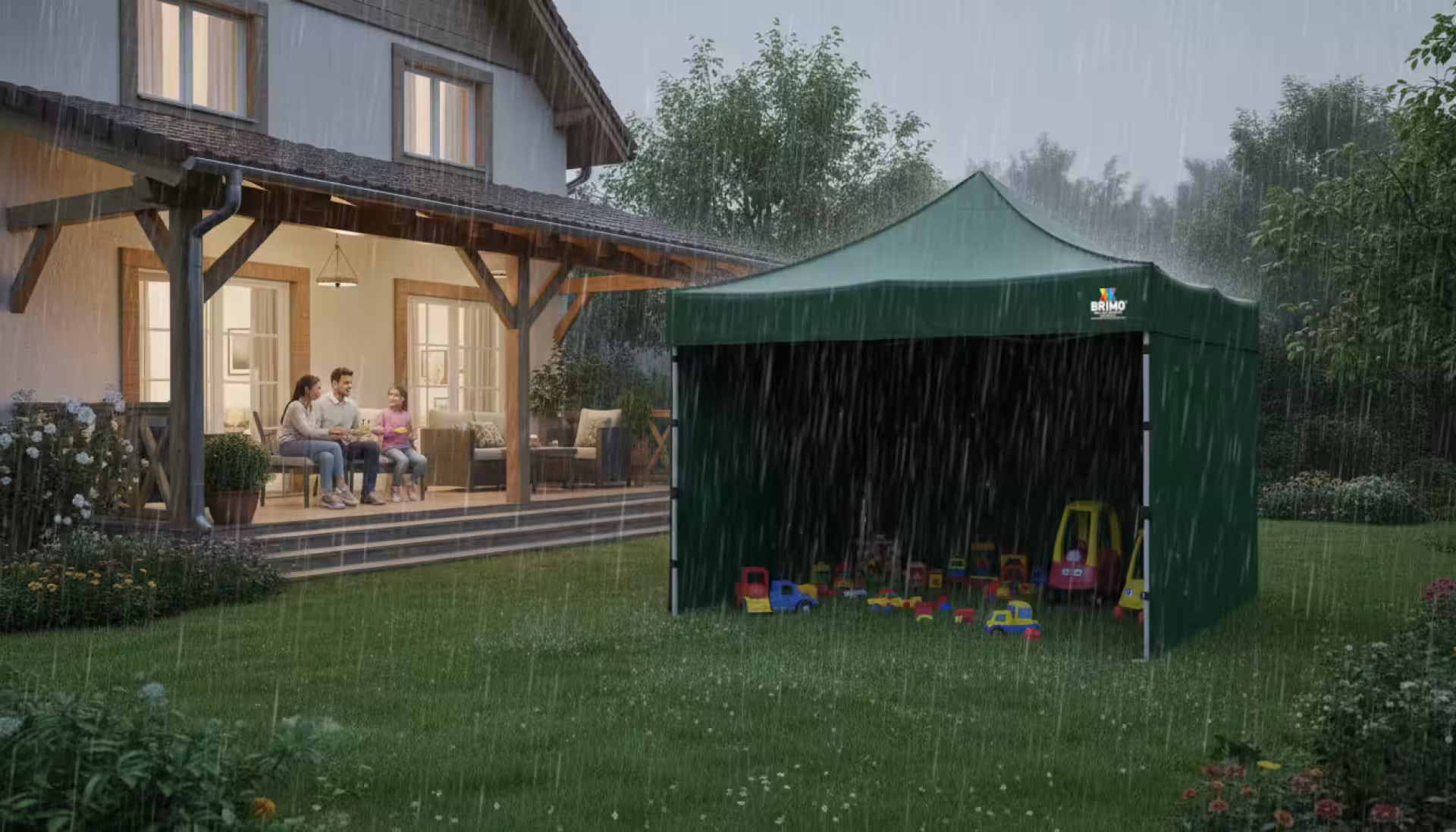
Many people are tempted by the idea of easy transport but forget the basic equation of stability: the lower the weight of the structure, the lower the resistance to the kinetic energy of the wind. While a light aluminium tent can be unstable in winds over 15 km/h, the robust BRIMO steel structure uses its own weight as a natural anchor and can better withstand gusts of up to 30-40 km/h (even more with anchoring), thereby dramatically increasing passive safety.
Material resistance: A look beneath the surface
The difference between steel and aluminium is not just in kilograms, but primarily in the modulus of elasticity and material fatigue. Aluminium is indeed light and rust-free, but it is more brittle. Under repeated stress (for example, frequent folding of the scissor mechanism or in strong winds), it tends to crack or permanently deform without the possibility of simple straightening.
Steel, on the other hand, is a material with high elasticity. We use profiles with optimal wall thickness (often over 0.8 mm to 1.1 mm depending on the load), which represents multiple times higher strength compared to thin-walled 0.5 mm "hobby" aluminium. It is capable of absorbing much larger vibrations and shocks without breaching structural integrity. Modern technologies have also eliminated steel's historical weakness – corrosion. Thanks to advanced powder coating and quality welds, steel gazebos today offer a lifespan that, with proper maintenance, surpasses lighter alternatives by years.
If you are looking for a solution that is not just a seasonal affair but a long-term investment in your comfort, read on. In this article, we will look at the concrete reasons why steel construction is the king of garden gazebos.
Steel construction: When priority isn't weight, but performance
When choosing a garden gazebo or folding tent, we often face a dilemma: prefer easy handling or maximum durability? Although marketing brochures often highlight "ultra-light" solutions, practice shows that steel belongs to the most reliable materials for structures that must withstand the real pitfalls of the weather.
Unlike aluminium, which is softer and more prone to deformation under side pressure, steel provides the necessary stiffness. This is key especially in scissor mechanisms, where individual profiles are exposed to a leverage effect. A steel leg or strut will withstand significantly higher mechanical stress, whether it be wind gusts or frequent setting up and taking down of the stand.
Stability you can physically rely on
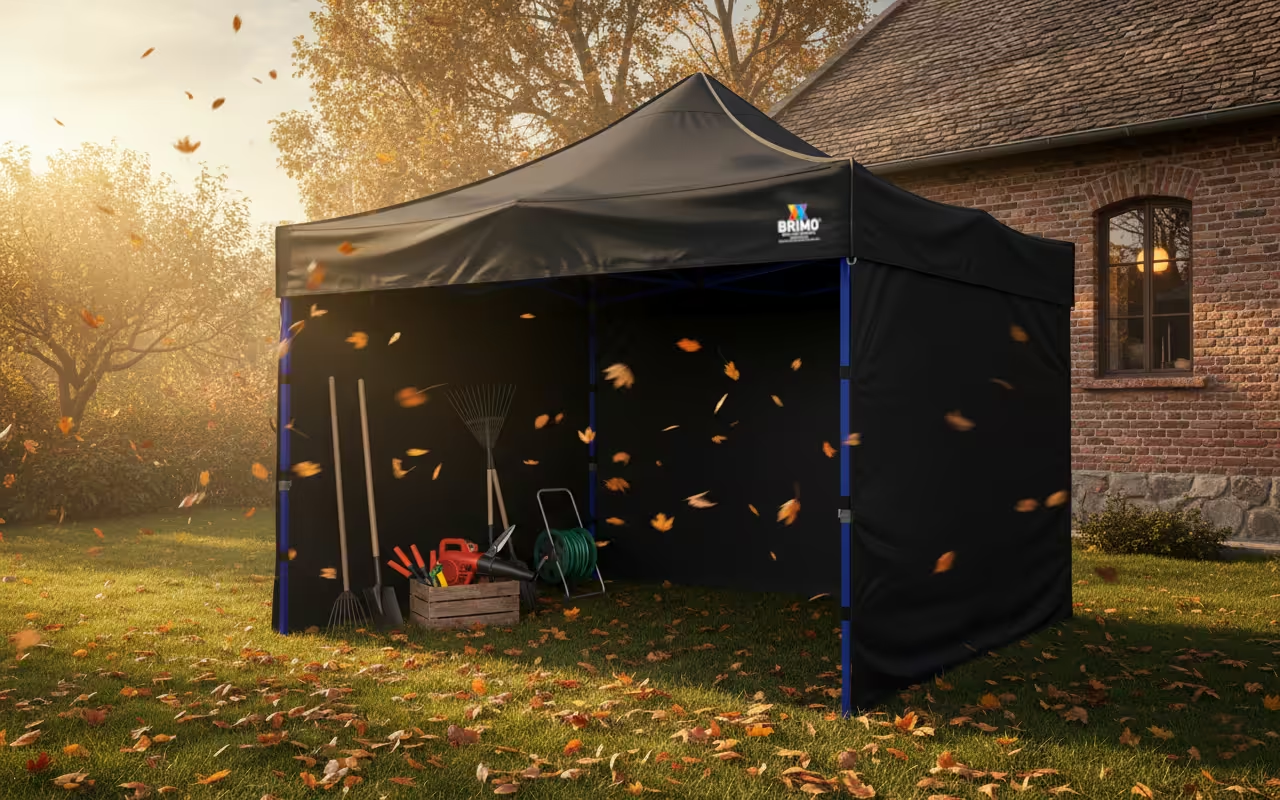
One of the biggest myths is that a heavy tent is a disadvantage. Outdoors, the opposite is true. A steel tent 3x3m can weigh 10-15 kg more than its aluminium equivalent. This "overweight" acts as a natural anchor, lowers the centre of gravity of the gazebo, and minimises the risk that the tent will start behaving like an uncontrolled kite at the first gust of wind.
The steel frame "sits" firmly on the ground. This property eliminates unpleasant creaking, swaying, or twisting of the structure, which is typical for cheap aluminium or composite alternatives. The result is a sense of security that you will appreciate especially during long-term use in the garden, where the tent often remains set up even for several days without supervision.
Practical solution for everyday and professional use
The robustness of steel is appreciated not only by homeowners but also by entrepreneurs. Steel garden gazebos have become the gold standard for catering establishments and event organisers. The reason is prosaic: resistance to rougher handling.
In a commercial environment, where tents are moved, set up quickly, and often stand on uneven surfaces, aluminium succumbs faster to material fatigue. A steel structure with a quality profile (for example, the Exclusive series) guarantees that even after the fiftieth setup, the joints will work just as smoothly as after the first. Less wear on hinged joints and profiles directly extends the lifespan of the entire product.
Longer lifespan and better investment protection
The economics of the purchase are clear in this case. Although aluminium might seem attractive due to its low weight, in the long run, steel pays off more. It offers a better price/performance ratio.
Quality surface treatment (most often textured powder coating) protects steel against corrosion just as effectively as aluminium is protected, but with the bonus of higher load-bearing capacity. If you are looking for a tent that handles more demanding conditions and provides reliable protection for goods, equipment, or guests all year round, steel is the choice of reason.
How to choose without error: 3 technical parameters that decide
1. Profile geometry and surface treatment
When buying, don't just look at the photo, but ask about "wall thickness" and the type of painting. A more massive steel structure isn't just about weight, but torsional stiffness. Quality surface treatment (e.g., hammer paint) is essential for creating a barrier against air humidity. This will ensure that the gazebo looks professional even after years of frequent setup.
2. Stability management in real conditions
In areas with increased wind incidence, steel is unequivocally a more reliable choice than aluminium because it eliminates micro-vibrations and unwanted swaying. However, you can't cheat physics even with steel. For 100% safety of visitors, we recommend lowering the centre of gravity of the structure even further with suitable steel weights. It is a small investment that protects the big one.
3. TCO (Total Cost of Ownership) – Think economically
A steel gazebo may have a slightly higher purchase price or shipping costs (due to weight), but its total costs of ownership are lower. Thanks to higher load-bearing capacity and resistance to mechanical damage, you won't have to deal with spare parts or a new tent after the first stronger storm.
Why say YES to steel: Quick summary
- ✓ Maximum stability: Higher weight and material strength mean the tent will remain standing even when other structures fail.
- ✓ Year-round use: Thanks to anti-corrosion treatment and robustness, the gazebo is ready to serve in any season.
- ✓ Physical resistance: Steel tolerates shocks and careless handling better, making it an ideal choice for frequent use.
Final word: A decision you will appreciate at the first storm
The choice between steel and aluminium is not just a matter of technical tables. It is a matter of a sense of security. When the wind picks up during a family celebration or an important event, you want to dedicate yourself to the guests, not watch with concern whether the structure above your heads will hold. A steel gazebo might require a minute more time to move, but this "investment" will be returned to you in the form of years of carefree use.
Are you ready to bet on quality without compromise?
VIEW THE OFFER OF STEEL TENTS →Written by:
Lukas Takumi
About the author of the article
Lukas Takumi – specialist in innovations and implementation of new technologies in portable structures and tent systems, with over 10 years of experience in the field of mobile solutions for events and industrial applications.
He studied the implementation of the latest technologies at the University of Tokyo and participates in collaboration with the company BRIMO in the design and verification of innovative tents that guarantee safety, rapid assembly, and durability of materials.
His contributions focus on practical advice on the selection, maintenance, and safe use of scissor tents and the integration of innovative solutions into daily operation.