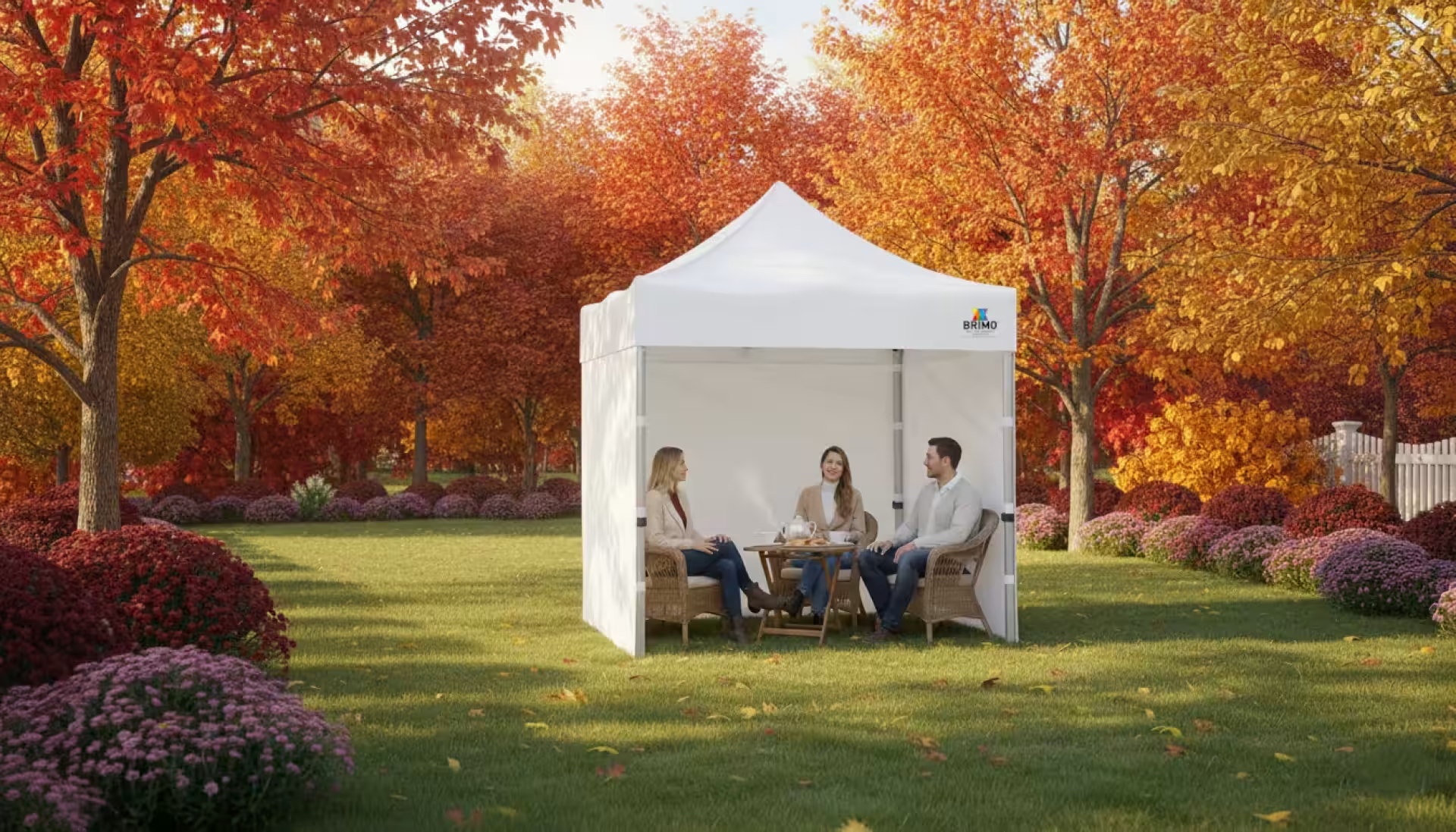
Garden Tent for the Terrace: Transforming Your Outdoor Space into a Year-Round Oasis
Owning a house with a terrace is the dream of many, but reality often clashes with the unpredictability of the weather. The midday sun being too harsh or an unexpected summer shower can end a pleasant gathering in an instant. This is exactly where the garden tent for the terrace comes into play, which is not just a temporary solution, but a fully-fledged architectural element of the modern garden. It is not just about protection from rain; it is about creating a so-called "outdoor living space", which increases the utility value of your property and provides comfort without the need for planning permission or expensive investments in fixed pergolas.
Why prefer a mobile shelter over a fixed structure?
Many homeowners hesitate between building a wooden shelter and a more flexible solution. A quality garden tent for the terrace offers an unbeatable advantage in the form of adaptability. While a fixed roof permanently shades the interior of the house and takes away precious light in the winter months, you can fold up a pop-up tent at any time. This dynamic allows you to regulate the lighting of the terrace according to the current season and needs. Modern structures are also designed to withstand wind and UV radiation, making them an investment in long-term comfort, not just a seasonal accessory.
Key factors when choosing the ideal model
When choosing the appropriate model, do not focus only on dimensions. Focus on the quality of the canopy and construction details. A top-class garden tent for the terrace should have a waterproof layer with a high water column and taped seams, which guarantees 100% protection even during intense downpours. The aesthetic side is equally important – the tent should visually correspond with the facade of the house and the style of the garden furniture, creating a harmonious whole that will invite relaxation from early spring to late autumn.
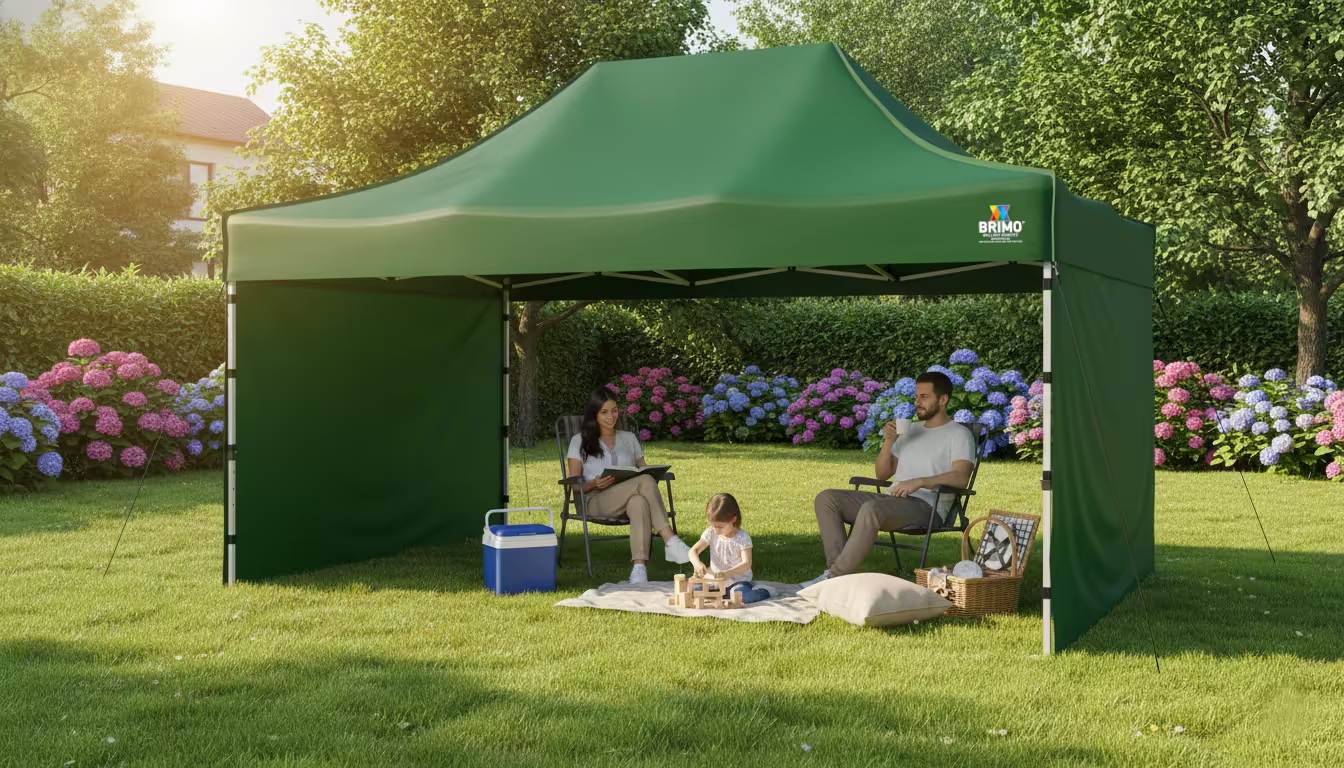
A no less essential factor is protection against insects, especially during long summer evenings. This is where walls with mosquito nets come into play. This practical solution creates an effective barrier against mosquitoes and wasps, but thanks to its breathability, it does not prevent the flow of fresh air. So you get the best of both worlds: a safe space without bites and a pleasant breeze that you will appreciate on hot days.
Technical parameters and practical use in every season
For the garden tent for the terrace to truly fulfill its function for many years, it is essential to understand the differences in construction and materials. It is not just about "fabric on poles". Modern pop-up tents use technologies that were originally developed for professional events and crisis situations. The key to stability is the frame – most often made of steel or anodised aluminium. While steel offers excellent strength at a lower price, aluminium is lighter and absolutely resistant to corrosion, which you will appreciate if you plan to leave the tent out even during damper autumn days.
Comparison: Pop-up Tent vs. Fixed Wooden Pergola
The decision between a mobile and a fixed solution is often a matter of compromises. We have prepared a clear table for you that clearly shows in which aspects the garden tent for the terrace has the upper hand, especially if you are looking for a solution that adapts to you, and not you to it.
| Feature / Solution | Garden Tent (Pop-up) | Fixed Pergola (Wooden/Aluminium) |
|---|---|---|
| Installation time | Fast setup (approx. 60 s) | Several days to weeks (including foundations) |
| Location flexibility | High – possibility to move to the garden | Zero – permanent building |
| Light regulation in the house | Excellent – in winter you fold the tent and light flows in | Limited – permanent shading of windows |
| Planning permission | Not required | Often required (depends on area) |
| Cost | Low to medium | High (material + labour) |
From spring to winter: How to maximise comfort?
The roof over your head is just the beginning. You will achieve real comfort with the right accessories. In the summer months, an invaluable addition is a mosquito net, which turns the garden tent for the terrace into a safe haven from intrusive insects without preventing airflow. With the arrival of colder weather, however, you will appreciate full side walls. These attach to the structure using velcro and create a closed space that can be effectively heated with a portable gas or electric infrared heater.
Safety and stability as a priority
A frequent concern with mobile shelters is the wind. It is important to emphasize that a quality tent is designed to withstand common weather conditions if it is properly anchored. On terraces where it is not possible to use classic pegs in the ground, special steel weights or sandbags are used which attach to the legs of the tent. In this way, you ensure that your relaxation corner remains in its place even in the event of unexpected deterioration of the weather, and you can enjoy your coffee dry and warm without worries.
Conclusion: Investment in comfort that pays off in experiences
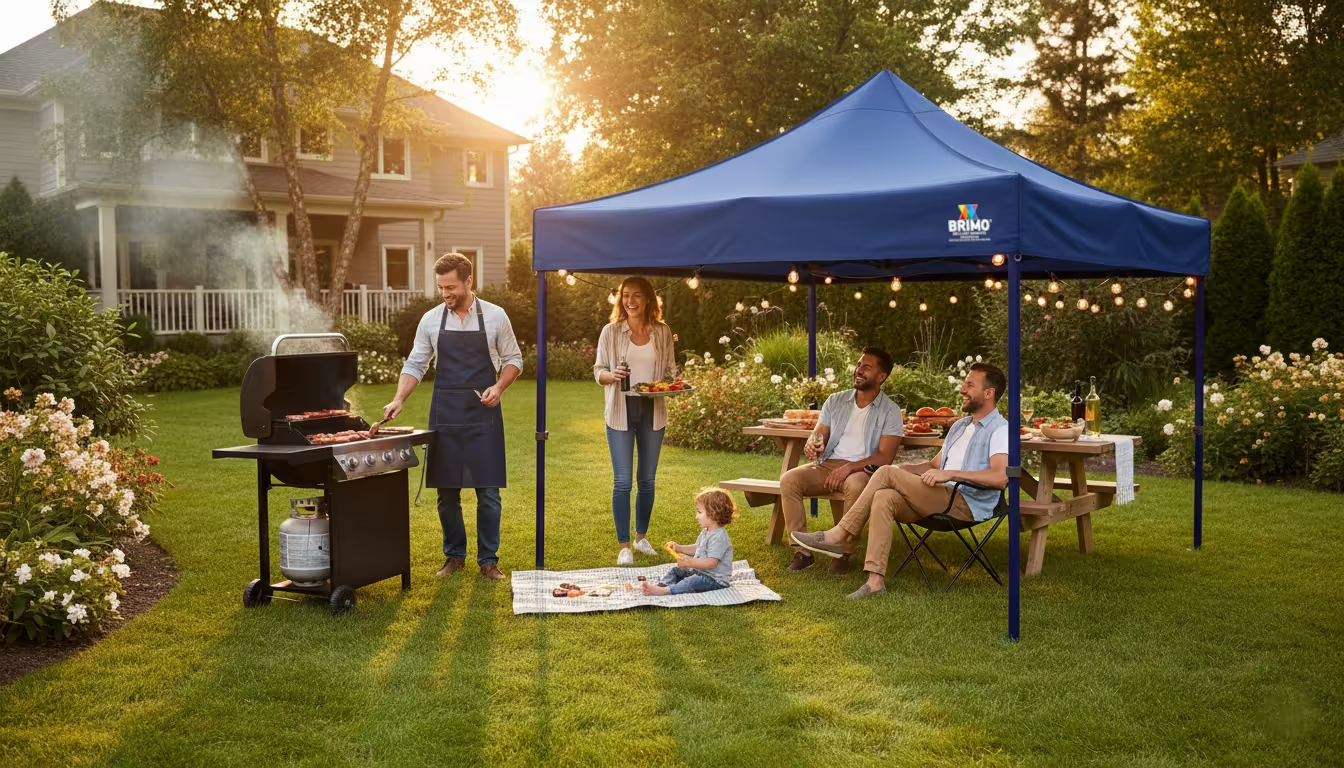
Creating the perfect place for rest does not have to mean a general renovation of the house. The garden tent for the terrace represents a modern compromise between functionality, aesthetics, and affordability. It offers you a freedom you will not find with fixed buildings – the freedom to decide when you want the sky above your head and when a safe roof. Whether you are planning a big family celebration, a barbecue with friends, or just a quiet evening with a book, a quality shelter will ensure that your plans are never again dictated by the weather forecast.
Two questions that customers ask most often
1. How to properly care for the canopy so that it lasts for years like new?
The key to longevity is prevention against mould. You can clean the canopy with a mild soap solution and lukewarm water (never in a washing machine, so as not to damage the UV layer and waterproofing). The most important rule, however, is: never fold the tent wet or damp. If you have to fold it suddenly during rain, unfold it again at the first opportunity and let it dry thoroughly. With this simple step, you will prevent the formation of mould and odours, extending the life of the material by several seasons.
2. Does the pop-up tent withstand snow too?
Although modern structures are robust and the canopy is waterproof, it is important to distinguish between rain and snow. The garden tent for the terrace is primarily a mobile structure. Wet snow is extremely heavy and its weight could deform the roof profiles. If you use the tent in winter (for example with side walls and a heater), it is necessary to continuously sweep the roof during heavy snowfall or – which is the biggest advantage of these tents – in case of extreme weather, fold it up in a few minutes and store it safely.
Written by:
Adam Weber
About the author of the article
Adam Weber – an expert on mobile shelters and fast-setup tents, who specializes in their use in crisis and medical situations. He developed his knowledge in the field of design during his studies in New York.
He has more than 15 years of experience in the field of design and development of mobile structures. As a design expert, he collaborates with leading European manufacturers to improve aesthetic, safety, and assembly standards.
In his articles, he dedicates himself to the effective use of BRIMO shelters in extreme conditions, their maintenance, and diverse possibilities of use in healthcare, industry, or the municipal sphere.